Identity & Access — Page 5
Holiday Photos Are Fuelling a New Bank Fraud Scam
Criminals are scanning public Instagram and Facebook posts, then using AI to craft personalised phishing messages that reference where you were and when.
Fake Job Interviews Are Stealing Google and Facebook Logins
A phishing operation called RecruitTrap uses realistic pop-up windows to grab passwords and one-time codes from job seekers.
Card Skimmers Are Stealing Billions. Here Is How They Work.
The U.S. Secret Service says organised criminal groups are planting tiny data-theft devices on card readers across the country, with government benefit cards among the easiest targets.

Cyera Buys Oasis Security for $1 Billion to Rein In AI Agents Before They Run Wild
Two Israeli-founded security firms are merging to solve a problem most companies haven't fully noticed yet: AI agents that grab every permission they're given and never let go.
737 Fake VPN Extensions in Chrome Store Quietly Hijacked Browsers
The free browser add-ons promised to unblock websites for Russian speakers. Instead they routed every page a user visited through servers the operators controlled.
FBI warns criminals are hunting nude photos in hacked accounts
The bureau says attackers are breaking into social media and cloud accounts to steal intimate images, then using them for blackmail, resale on criminal sites, and follow-on sextortion attacks against victims and their families.
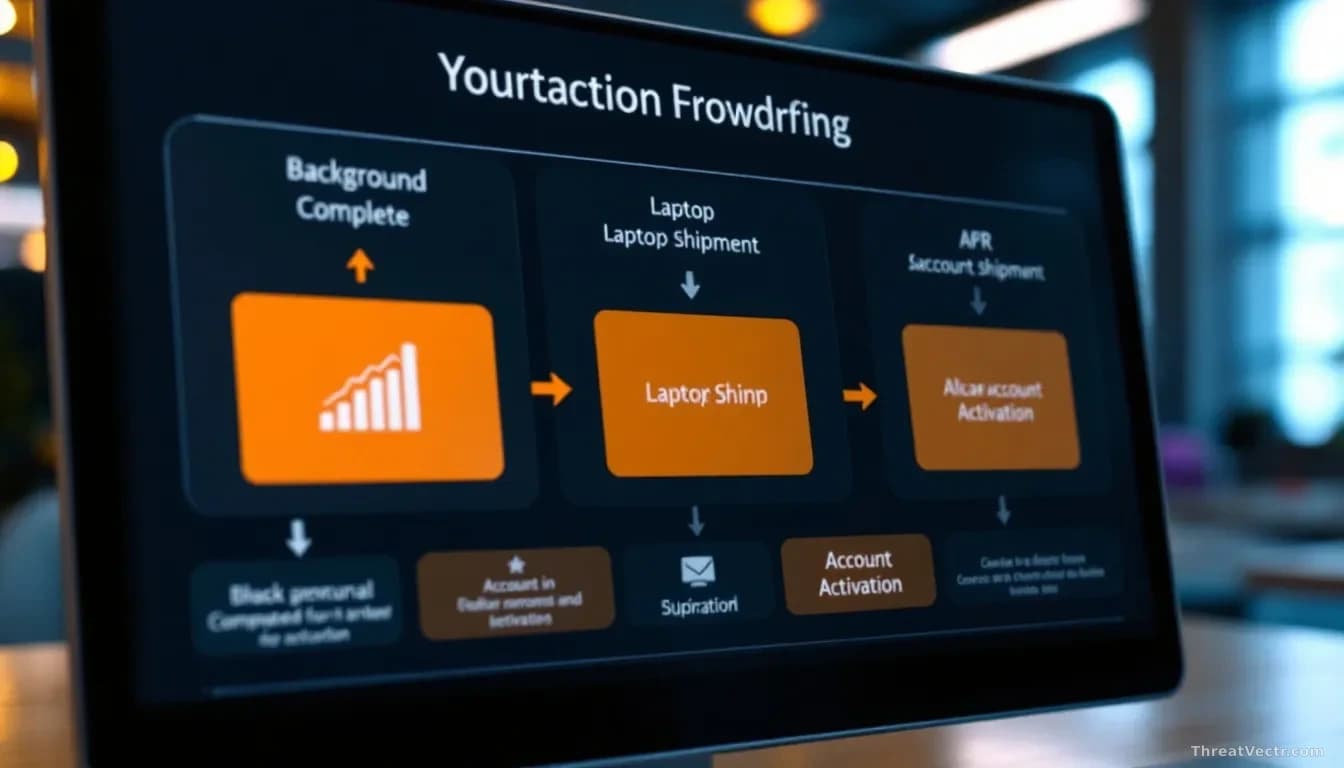
The fake new hire problem: how criminals slip in through remote onboarding
Gaps between background checks, laptop delivery and account setup are letting impostors join companies as staff. Here's how the trick works, and what stops it.
Signal Rolls Out Automatic Key Verification to Blunt Interception Attempts
The messaging app adds a key transparency layer, audited by Cloudflare and Trail of Bits, following a year of targeted phishing linked to Russian state-aligned clusters tracked as UNC5792 and UNC4221.
Mozilla Accidentally Put a Firefox Signing Key on GitHub. Here's Why You're Probably Fine.
A private key used to authenticate Firefox and Thunderbird downloads was briefly stored in the wrong place. Mozilla has replaced it and found no sign anyone misused it.
Passwords Are Getting Easier to Fake. Device Trust Is the Fix Companies Are Reaching For.
AI is turbocharging phishing and credential theft, and the old signals that told a company a login was fine are quietly failing. Here is what is replacing them.
Passkeys Aren't Bulletproof: Three New Attacks Sidestep the 'Phishing-Proof' Login
Researchers show how signed login material, malware on synced devices, and clever redirection can defeat passkeys without cracking a single key.

Four Million Fake App IDs, One Blind Spot: How Hackers Are Slipping Past Microsoft Login Defences
Two criminal campaigns sent over four million spoofed application identities at Microsoft's sign-in system and barely triggered an alert. Here is what happened, who is at risk, and what security teams can do.

Two Million Belgians Exposed by Flaws in the Software They Use to Sign Legal Documents Online
Security researcher James Arnott found that Belgium's most-used digital identity tool could let any malicious website steal a user's PIN, forge their electronic signature, or quietly run attack code on their computer, all without the victim clicking anything suspicious.
NSW Plans to Share Licence Photos With National Face-Matching Database
A new bill before the New South Wales parliament would connect the state to a federal facial recognition system, hand police access to toll road camera images, and let investigators apply to search seized phones and laptops. Civil liberties groups say the changes amount to mass surveillance with too few safeguards.
Metro Bank Customer Lost £14,000 to Fraudsters Who Used Stolen Money to Buy AI Chatbot Credits
A Sussex businessman spent months fighting to recover £14,244 after criminals raided his Metro Bank account and spent the proceeds on credits for Claude, Anthropic's AI chatbot. The case raises hard questions about whether banks are doing enough to catch unusual spending patterns before the money is gone.