Metro Bank Customer Lost £14,000 to Fraudsters Who Used Stolen Money to Buy AI Chatbot Credits
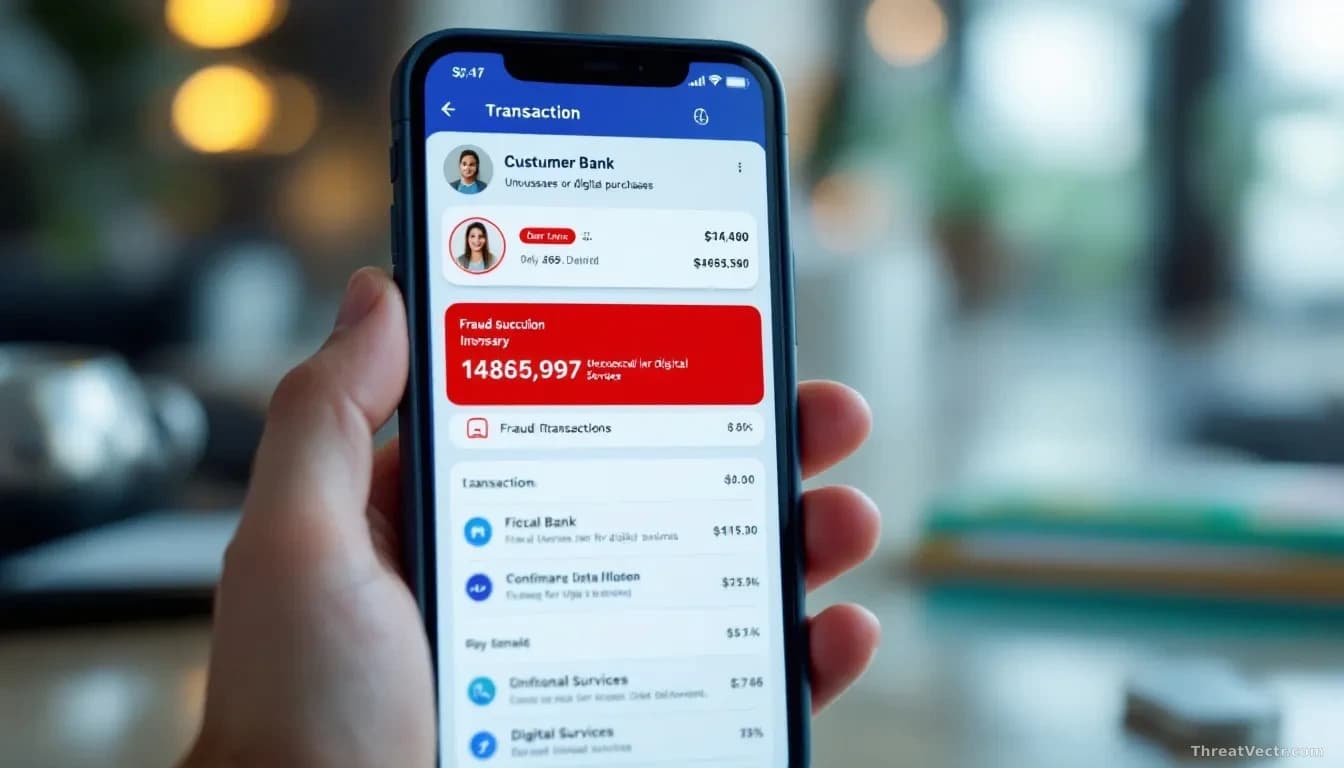
A Sussex businessman spent months fighting to recover £14,244 after criminals raided his Metro Bank account and spent the proceeds on credits for Claude, Anthropic's AI chatbot. The case raises hard questions about whether banks are doing enough to catch unusual spending patterns before the money is gone.
Key points
- Fraudsters took £14,244 from Metro Bank customer Zoli Rutter's account without his permission.
- The stolen money was used to buy credits for Claude, an AI chatbot made by Anthropic.
- Rutter, a businessman based in Sussex, had to fight Metro Bank to recover the funds.
- The case, first reported by The Guardian, highlights a gap in banks' fraud-detection systems when criminals spend stolen money on digital goods.
What actually happened?
Criminals accessed Zoli Rutter's Metro Bank account and spent £14,244 buying credits for Claude, the AI chatbot service built by Anthropic. Rutter reported the unauthorised withdrawals to his bank. Getting the money back wasn't straightforward.
Claude credits are a digital product you buy to unlock the chatbot's more powerful features. They have no obvious link to the fraud banks usually watch for, like a wire transfer to an overseas account. That novelty may be exactly why the spending slipped through Metro Bank's automated checks. Two weeks before this case surfaced, our story on underground services selling stolen Claude access found at least seven forums trading cut-price chatbot credits, which tells you something about where demand for those credits is coming from.
Should customers worry about this kind of fraud?
This scam targets your bank account, not Claude itself. If criminals already have your banking login details, they can spend the money on almost anything. AI credits are simply the latest item on the list.
For Rutter, the bigger frustration was the bank's initial response. UK rules generally require banks to refund victims of unauthorised transactions quickly. A lengthy dispute is exactly what those rules exist to prevent. Check your statements, turn on transaction alerts and report anything unfamiliar immediately.
Would stronger login security have helped?
Probably yes. MFA, short for multi-factor authentication, requires two separate proofs of identity to log in: your password plus a one-time code sent to your phone, for example. If the criminals gained access using only Rutter's password, MFA would've made that considerably harder.
UK banks are already required to apply what regulators call Strong Customer Authentication for online payments. Whether that protection was active on this account, or whether it was bypassed, isn't clear from available reporting.
| Detail | Information |
|---|---|
| Victim | Zoli Rutter, Sussex businessman |
| Amount taken | £14,244 |
| Bank | Metro Bank |
| Funds used for | Claude AI chatbot credits |
| Status | Customer fighting for refund |
The detail worth watching isn't the refund. It's whether banks update their transaction-monitoring rules to flag purchases at AI platforms the same way they flag prepaid gift cards.
Common questions
Could this happen with any bank?
Any bank account can be targeted if a criminal obtains your login details. The question is whether a bank's fraud systems flag unusual purchases fast enough to block them before the money leaves.
Is Claude or Anthropic responsible for this fraud?
No. The AI service was simply where the stolen money was spent, the same way a fraudster might use stolen card details to buy gift cards. Anthropic wasn't breached.