Smart Glasses With Hidden Cameras Are Getting Popular. Privacy Experts Are Alarmed.
Ordinary-looking eyewear that secretly records video is moving from novelty to mainstream, and the rules haven't kept up.
Key points
- Smart glasses fitted with hidden cameras are growing in popularity, raising serious privacy concerns as of mid-2026.
- Bystanders can be filmed without their knowledge or consent in public spaces, shops, workplaces and schools.
- Privacy laws in most countries were not written with always-on wearable cameras in mind.
- Researchers warn the glasses are difficult to identify as recording devices because they look like ordinary eyewear.
You probably wouldn't notice them. That's the problem.
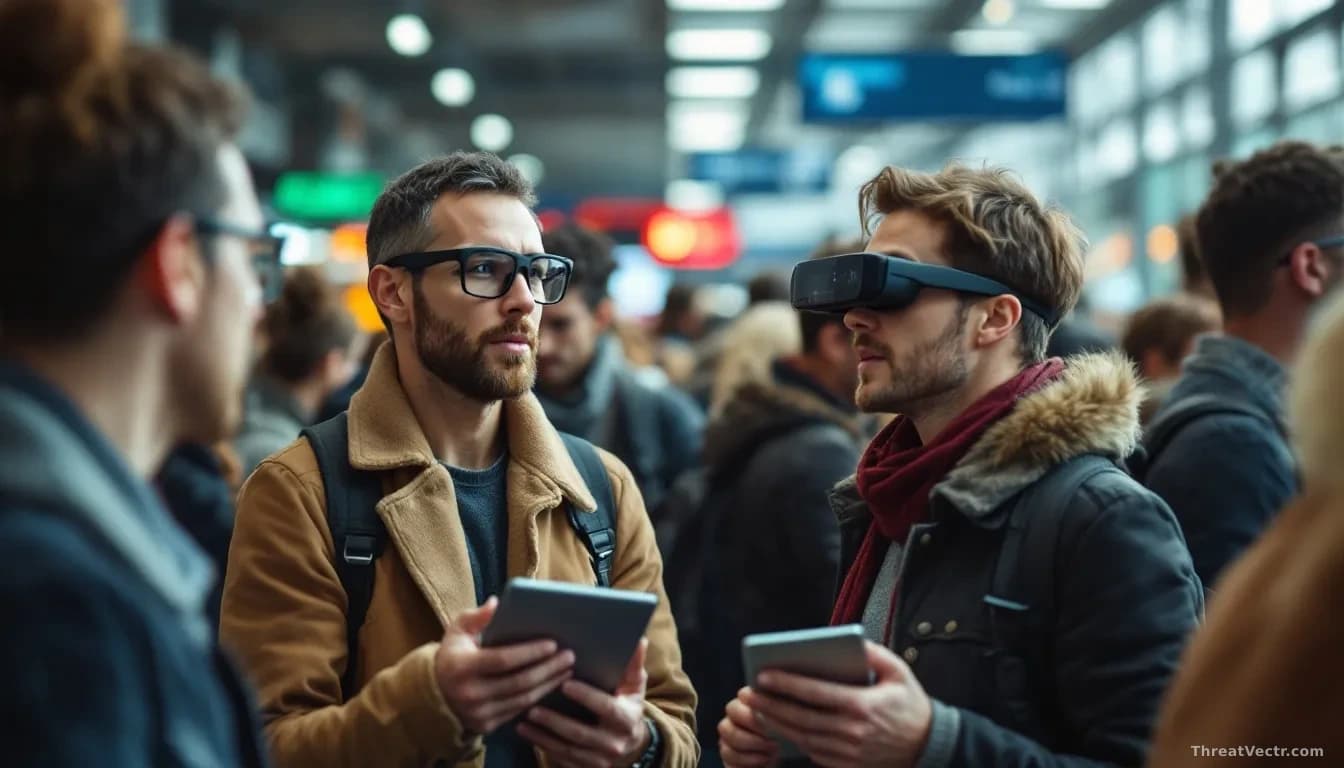
Smart glasses, eyewear with tiny built-in cameras and microphones, have reached the point where they're stylish enough to wear every day. They record video, stream live to the internet, and store footage in the cloud, all while looking like a normal pair of frames. The Age flagged growing community concern about the trend in August 2026. We've been tracking this trajectory since early August: our story on Kmart's $89 camera glasses selling out across Australia showed how cheap the hardware has become.
Why does this matter to people who don't own the glasses?
Anyone nearby can be recorded without knowing it. A customer in a café, a patient in a waiting room, a child in a playground: none of them agreed to be on camera.
Traditional security cameras are fixed to walls and covered by signs. Phones held up to record are obvious. Smart glasses offer neither signal. The person wearing them can film a full conversation, capture faces and documents, and no one in the room will know.
That footage can then be uploaded to social media, fed into facial-recognition software (programs that identify people from photos of their face), or stored indefinitely.
Are there laws that cover this?
Mostly, not well. Privacy legislation in Australia and the UK was written before wearable cameras existed as a consumer product. Rules around consent and recording in public spaces vary widely, and enforcement is nearly impossible when the recording device is invisible.
Some workplaces and schools have begun banning smart glasses outright. A handful of jurisdictions are drafting specific rules, but none have passed into law at scale yet. That gap between capability and regulation is also why our coverage of NSW's plan to share licence photos with a national face-matching database matters: footage from glasses doesn't stop at the lens.
What should ordinary people watch for?
Awareness is the main defence for now. If someone's glasses have a small LED or appear to have a lens near the bridge or temple, they may be a recording device. Hospitality and healthcare venues can post clear notices banning wearable cameras, the same way many ban photography. If you believe you've been recorded without consent in a private setting, contact your national privacy regulator: in Australia, that is the Office of the Australian Information Commissioner.
Prices are falling and the hardware is improving fast. The gap between what these devices can do and what the law says about them is widening, and that's the real story.
Common questions
Can someone legally film me in public with smart glasses?
In most places, filming in a truly public space, a street or a park, is currently legal, just as it is with a phone. The grey areas are semi-public spaces like gyms and public transport, where expectations of privacy are higher and rules differ by country.
Would covering my face or avoiding cameras help?
Practically speaking, no. The glasses film continuously and at close range during normal conversation, making avoidance very difficult. Policy change and clear venue rules are more realistic protections than individual behaviour.