Australia moves to ban 'spy glasses' that secretly film people in public
Cheap smart glasses that look ordinary but record video without the wearer appearing to do anything suspicious have sparked two mass petitions and a new bill in the Australian parliament.
Key points
- The Australian Greens, backed by independents, plan to introduce a bill to ban the import of wearable recording devices for at least 12 months.
- Smart glasses that secretly record video now sell in Australia for as little as $40, down from over $500 for earlier models.
- The proposed bill would also amend Australia's Privacy Act to make filming or sharing footage from a wearable device without consent illegal for individuals.
- Two public petitions calling for restrictions on the sale and import of the devices attracted tens of thousands of signatures.
- Attorney-General Michelle Rowland has asked Australia's Privacy Commissioner to treat the issue as a priority.
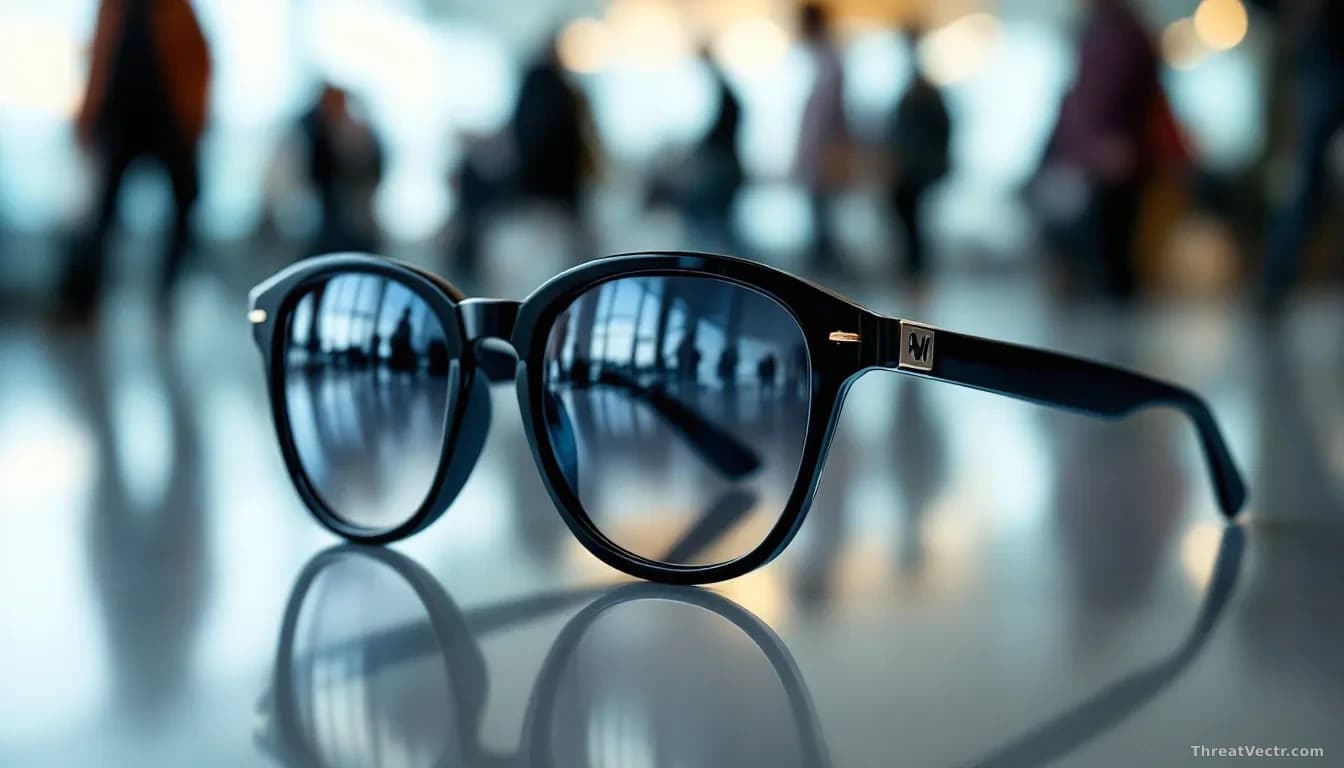
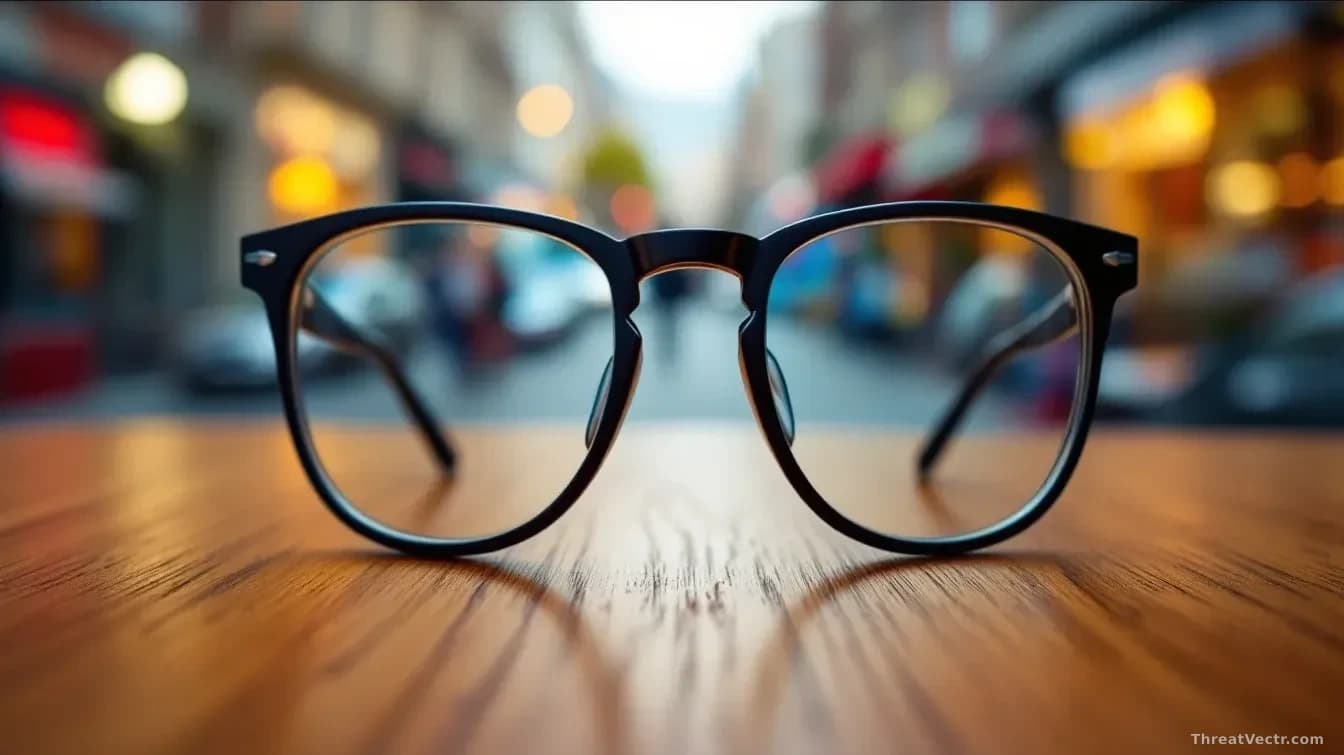
Smart glasses look like a regular pair of spectacles. Press a button and they record video or audio. The person being filmed has no idea it's happening.
That combination is now cheap enough to put in almost anyone's pocket. Prices have fallen from more than $500 for early models to under $100 for newer ones, with basic versions available for around $40 from online stores and some physical retailers in Australia.
Why are people worried?
The core problem is simple: these glasses are nearly impossible to spot in use. Most models include a small indicator light designed to show when recording is active, but people have widely shared methods online to disable it entirely.
Privacy advocates say women and minorities are most often targeted by secret recordings. One pattern that's already arrived in Australia is sometimes called "rizzing", where men film themselves approaching women in public without consent and post the footage on social media to humiliate the subject. Digital Rights Watch's Tom Sulston told ABC News Australia that recordings of this kind "very rarely" target men for equivalent behaviour.
Electronic Frontiers Australia chair John Pane said he'd already seen devices misused at gyms and on beaches inside Australia. He flagged a harder truth: most victims will never know they were filmed.
Sulston, initially sceptical about an import ban, was ultimately swayed by the expectation that Apple will release camera-enabled wireless headphones as soon as September. "That would be a huge scale point for the amount of covert cameras being used in public in Australia," he told ABC News Australia. We covered the broader shift toward AI-enabled recording eyewear on 14 August in our report on Meta's glasses and the women pushing back against them.
What is the government proposing?
Greens senator David Shoebridge plans to introduce a bill when parliament next sits that would halt the import of smart glasses and similar wearable cameras for at least 12 months, giving parliament time to pass stronger privacy laws. Carve-outs would protect legitimate uses, such as devices that help people with vision impairments. The bill also proposes additional powers and funding for the Privacy Commissioner to enforce any new rules.
The bill would also change the Privacy Act, the main Australian law governing how personal information is handled, to ban the filming or distribution of footage from a wearable recording device without the subject's clear consent. That change would extend the law to cover individual people, not just large organisations as the act currently does.
| Item | Detail |
|---|---|
| Import ban duration | At least 12 months |
| Minimum price of basic smart glasses | Around $40 |
| Law being amended | Australian Privacy Act |
| Government tranche-one reforms passed | December 2024 |
| Privacy reform commitment date | September 2023 |
Independent senators David Pocock and Kate Chaney have both expressed support for the temporary ban, though Chaney described it as "an imperfect fix" for a deeper gap in privacy law. The government hasn't confirmed whether it'll back the bill, but a spokesman for Attorney-General Rowland said smart glasses "raise privacy concerns" and that the government is "actively considering these issues" as part of its next wave of privacy reforms.
What should ordinary Australians do right now?
There's no patch to install and no account to secure here. The risk is physical and public. If you're in a gym, a pool or any shared space, be aware that glasses worn by someone nearby may be recording. You've no reliable way to tell from a distance.
If you believe you've been filmed without consent, Australia's Office of the Australian Information Commissioner can receive complaints, and state-level laws against intimate image abuse may also apply depending on what was recorded and shared. Report harmful content to the platform directly and to police.
Sulston put the broader question plainly: Australians and their government need to decide now how much public surveillance they're willing to accept, before the volume of devices makes that choice for them.
Common questions
Are these glasses already illegal to use in Australia?
Not clearly, under current law. The Privacy Act doesn't yet cover individuals using wearable cameras on other individuals, which is precisely the gap the proposed bill aims to close.
Will the import ban stop all smart glasses from entering Australia?
No. The proposed ban would include exceptions for devices with legitimate uses, and no import restriction stops devices already in the country. It's a temporary brake, not a complete solution.