Meta's AI Glasses Are Recording Strangers. Women Are Fighting Back.
Smart glasses that stream live video to AI are sparking a real-world privacy revolt, with women leading the charge against being filmed in public without their knowledge.
Key points
- Meta's Ray-Ban smart glasses can record video and send it to an AI assistant, with no obvious sign to bystanders that a camera is running.
- Growing numbers of people, most of them women, say they were filmed by strangers wearing the glasses and that footage was posted online without their consent.
- No single US federal privacy law currently bans recording someone in a public place, even without their knowledge.
- Critics are calling on Meta to add clearer recording indicators to the glasses.
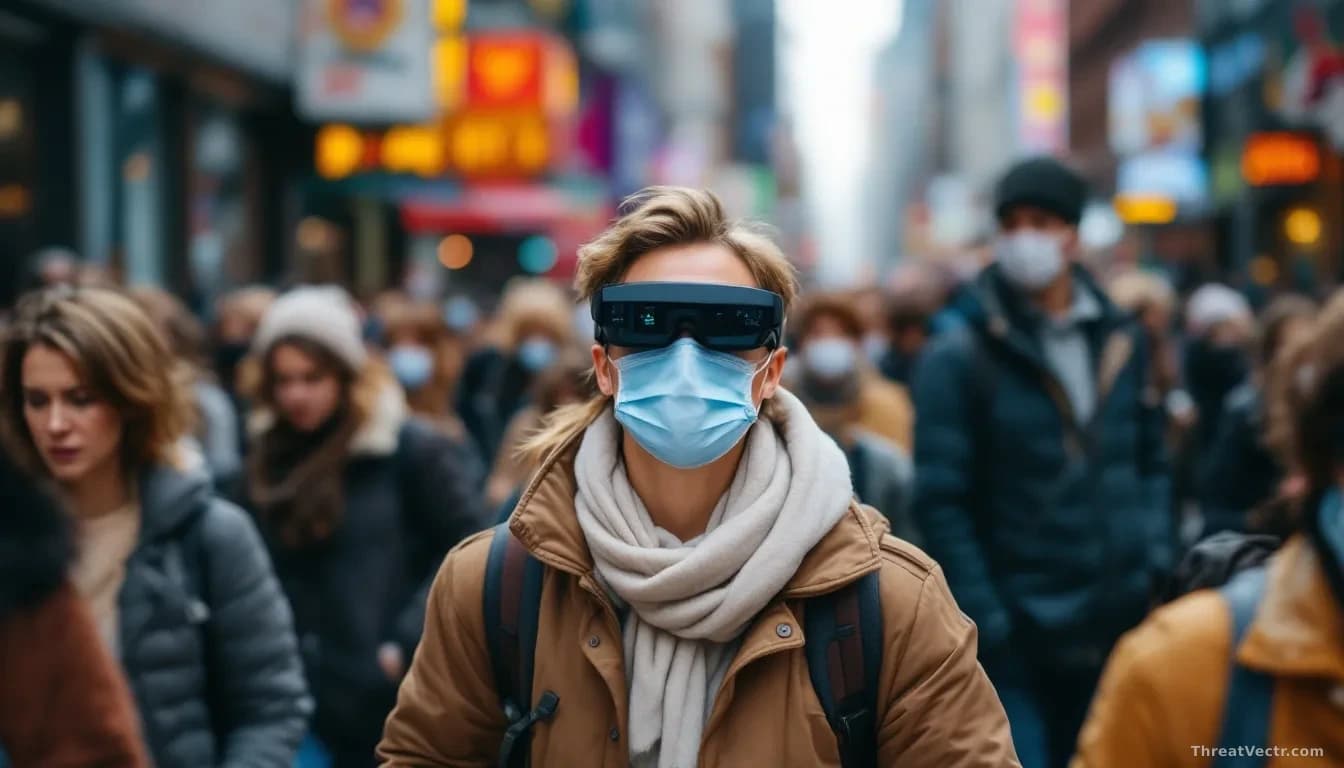
Meta's Ray-Ban smart glasses look like ordinary sunglasses. They are not. Built into the frames is a small camera that can record video or stream a live view to Meta AI, an artificial intelligence assistant that can answer questions about whatever the glasses see. The problem, as NBC News Tech first reported, is that bystanders typically can't tell when recording has started.
What exactly are people reporting?
Women are describing being filmed in cafes, on public transport, and on the street by strangers wearing the glasses, then finding clips posted to social media without warning. The camera sits flush with the frame. A small LED light is supposed to indicate when it's active, but critics say the indicator is too dim to notice in daylight.
Because the glasses connect to Meta AI over the internet, a wearer can, in real time, get information about a person they're looking at, including details pulled from public sources. That possibility has alarmed privacy researchers and ordinary users alike. We reported in August on how ordinary-looking eyewear that secretly records video is moving from novelty to mainstream, and this backlash confirms the concern wasn't theoretical.
Is any of this actually illegal?
In most US states, probably not. Recording someone in a public place is generally permitted. Laws against filming without consent tend to apply only where a person has a clear legal expectation of privacy, such as a bathroom or a changing room. A coffee shop doesn't qualify.
That legal gap is exactly why critics are pressing for action at the technology level rather than waiting for legislatures to catch up.
What are people asking Meta to do?
The demands are practical. Campaigners want a more visible recording indicator, bright enough to be obvious in normal daylight. Some want an audible alert when recording begins. Others are pushing for limits on how live video can be fed into AI systems that identify faces or pull personal data from public profiles. That last concern isn't abstract: we covered in July how Meta's Muse Image AI lets anyone tag a public Instagram account and generate images using that person's face without any notification to the user.
Meta hasn't announced any hardware changes to the current Ray-Ban generation in response.
Should you worry?
No simple defence exists today. If you spot someone wearing the glasses and notice a faint white LED on the frame, recording may be active. The burden still falls almost entirely on the person holding the camera, not the person in the frame. This problem won't be resolved by a single fix, and with cheap camera glasses selling out across multiple markets, the window for a technology-side solution is narrowing fast.