Australia's Privacy Watchdog Investigates the Chinese App Maker Inside Kmart's $89 Smart Glasses
The Office of the Australian Information Commissioner has opened a formal investigation into Shenzhen Qingcheng, the company behind the HeyCyan app, after the firm failed to respond to preliminary inquiries about how it handles personal data captured by the glasses.
Key points
- Australia's privacy regulator, the OAIC, opened a formal investigation into Shenzhen Qingcheng, the China-based maker of the HeyCyan app, after the company did not respond to preliminary inquiries.
- Since August 2026, the OAIC has run preliminary inquiries with five separate companies providing smart glasses hardware or software, not just Shenzhen Qingcheng.
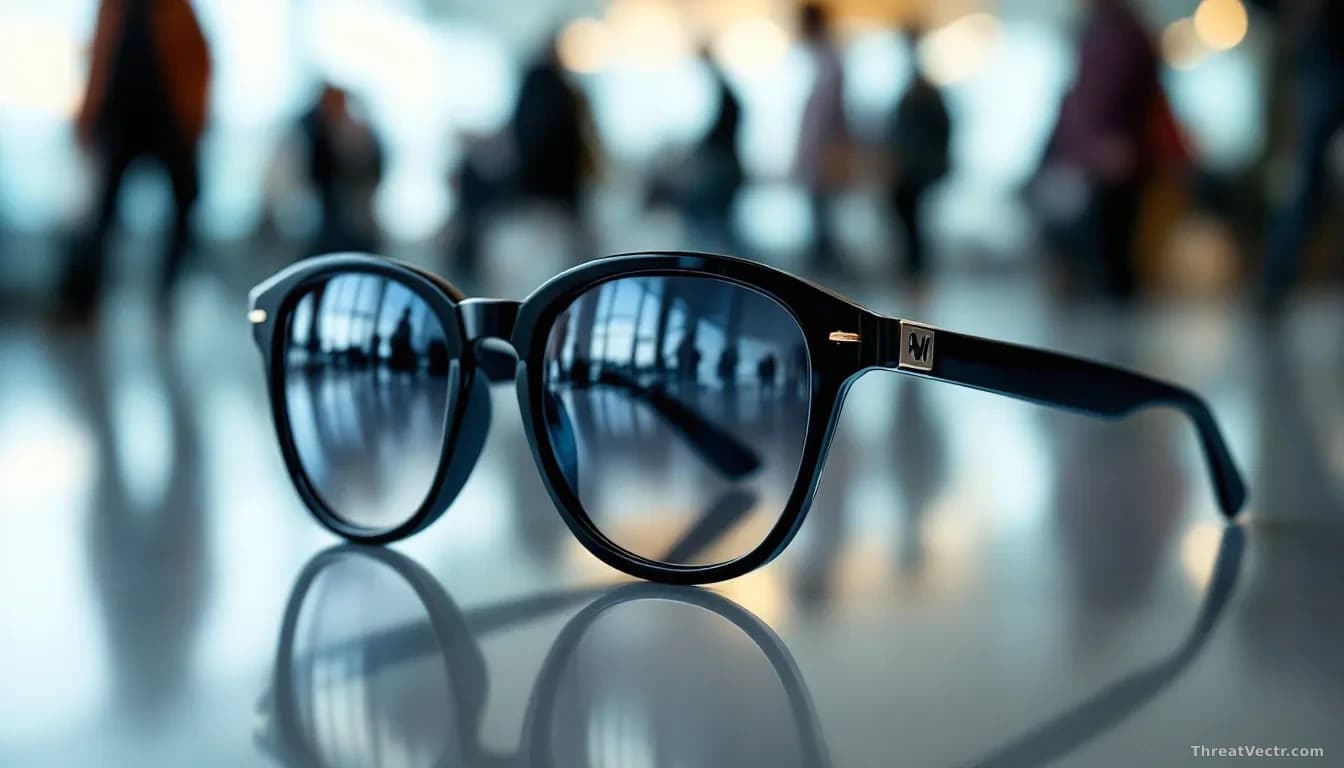
- Kmart's Anko-branded glasses, sold for $89, can capture photos and record high-definition video, often without bystanders knowing.
- A proposal to restrict smart glasses in Australian federal workplaces and public service offices is now under consideration.
Kmart sold out of its Anko-branded smart glasses before most shoppers had time to ask what the glasses actually do. They can silently photograph and record high-definition video of anyone nearby while looking almost identical to ordinary sunglasses. At $89, that capability is within reach of almost anyone.
The backlash was swift. Guardian Australia first reported the sell-out and the public alarm it triggered. Local councils moved quickly, banning the glasses from swimming pools and gyms. Federal policymakers began drafting proposals to keep the devices out of government offices and public service buildings. We covered the parliamentary response on 30 August, when two mass petitions and a new bill were already in play.
How did regulators respond?
Australia's privacy regulator stepped in fast. The Office of the Australian Information Commissioner (OAIC), the body responsible for enforcing the Privacy Act, began preliminary inquiries with five entities involved in making or distributing smart glasses hardware and software. Those inquiries, starting in August 2026, were designed to understand exactly where the Privacy Act applies and how each company is protecting the personal information the glasses collect.
One company didn't respond: Shenzhen Qingcheng, maker of the HeyCyan app that powers the glasses' core recording features. That silence triggered a formal investigation.
Ignoring a regulator's questions is rarely a good look. For a company whose app is hoovering up images and audio of ordinary Australians who never agreed to be recorded, it's a particularly bad one.
What does this mean for people who own or encounter the glasses?
If you bought a pair, the investigation doesn't mean the glasses are illegal to own. Australian privacy law is complicated here: individuals using devices for personal purposes often sit outside the Privacy Act's reach, though rules around filming others in sensitive locations remain. The OAIC has been clear that privacy law is only part of the picture, and state-level surveillance device laws may also apply.
If you've been recorded without your knowledge, practical options are limited for now. The investigation could eventually require Shenzhen Qingcheng to change how it stores or handles data, though enforcement against an overseas company is never straightforward.
For anyone using these glasses in public, the growing number of local bans is worth checking before you head to a gym or pool. Getting asked to leave is the least of the potential consequences.
| Milestone | Date / Figure |
|---|---|
| OAIC preliminary inquiries begin | August 2026 |
| Entities contacted in inquiries | 5 |
| Kmart Anko glasses retail price | $89 AUD |
| Companies formally investigated | 1 (Shenzhen Qingcheng) |
The deeper problem the OAIC flagged in its public blog post is structural: privacy law wasn't written with always-on, concealable recording devices in mind. Closing that gap will take more than one investigation into one unresponsive app maker.