Australia drafts new privacy laws to rein in AI data use, smart glasses and identity theft
Proposed legislation would give Australians the right to delete their personal data from social media and search platforms, and a new tool to lock their ID documents against misuse.

Key points
- Australia's Attorney-General Michelle Rowland will release draft privacy legislation on Monday, 31 August 2026.
- A new government tool called IDLock will let Australians block or monitor their identity documents through myGov accounts from 2027.
- The draft law includes a right to erasure: people can demand social media and search companies delete their personal information.
- Smart glasses, which can silently photograph or film bystanders, are named as a technology the updated law must address.
- The Credential Protection Register, a related existing system, has blocked more than 830,000 fraudulent identity verification attempts since 2022.
Australia is about to overhaul its privacy laws in a way that will touch almost every person who uses the internet, holds a driving licence, or has ever had personal details exposed in a data breach, the term for when criminals break into a company's systems and steal sensitive information.
Attorney-General Michelle Rowland will release draft legislation on Monday covering artificial intelligence (AI) systems trained on people's data without consent, smart glasses that can silently record bystanders, and a new government service to protect identity documents.
What is IDLock and what will it do for ordinary Australians?
IDLock is a free government tool that will let Australians lock their driving licence and passport so criminals can't use them to open bank accounts or pass identity checks fraudulently. It will be available through existing myGov accounts in 2027, following an initial trial.
Rowland described the aim plainly: "Whether their driver licence details have been exposed in a data breach or they are concerned about scams and identity theft, IDLock will give Australians an accessible and simple way to have greater visibility and confidence in how their identity documents are used."
IDLock builds on the Credential Protection Register, a system the government created in 2022 to stop identity documents already known to be stolen from being accepted as proof of identity. That register has blocked more than 830,000 fraudulent identity verification attempts since launch. If your details were exposed in a past breach, such as the major hacks of Optus or Medibank, IDLock will let you monitor whether anyone is trying to use your documents and place a block until you choose to lift it.
What does the right to erasure actually mean?
Under the draft law, you'll be able to contact social media platforms and search engines and demand they delete your personal information. They must comply. The right won't extend to news organisations publishing journalism.
This mirrors similar rules already in force in Europe under the GDPR, the General Data Protection Regulation, which has let European residents request removal of outdated or inaccurate information from search results since 2014.
How do smart glasses fit into a privacy law?
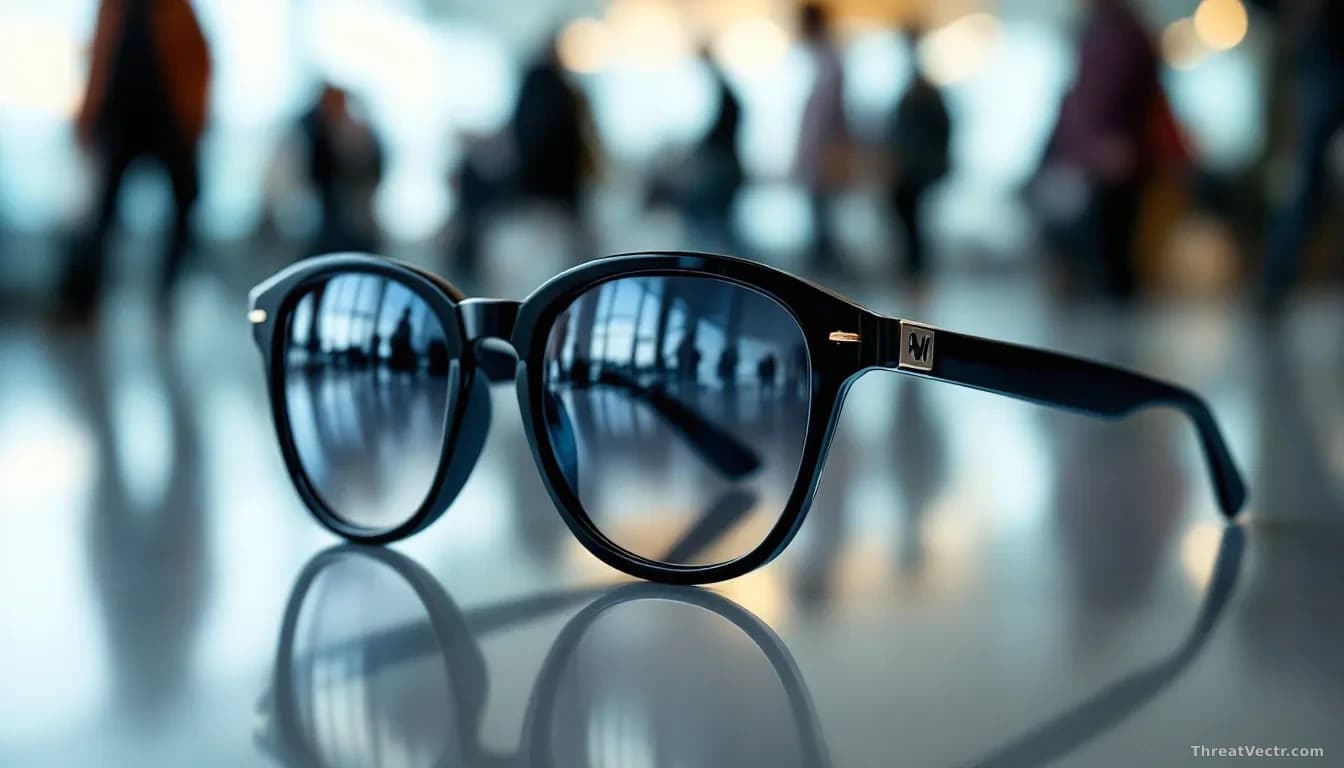
Smart glasses look like ordinary glasses but contain a small camera. The current market leader is the Ray-Ban Meta model. They can photograph or film everything the wearer sees, and a bystander has no reliable way to know they're being recorded.
We reported on 30 August that the Greens had already introduced a bill to ban the import of such glasses for 12 months, driven in part by two mass public petitions, as our story "Australia moves to ban 'spy glasses' that secretly film people in public" detailed. Monday's draft privacy law would treat recording someone without their knowledge using smart glasses as a potential privacy violation subject to enforcement. These are two parallel legislative tracks, not one.
After the draft is published, the government plans industry consultation before introducing the legislation to parliament by the end of 2026. As first reported by the Sydney Morning Herald, no final bill has yet been tabled, and the text will be subject to further amendment.
| Element | Detail |
|---|---|
| Draft released | 31 August 2026 |
| IDLock available | 2027 (myGov integration) |
| Credential Protection Register blocked | 830,000+ fraudulent attempts since 2022 |
| Right to erasure excludes | News organisations |
| Expected parliament introduction | By end of 2026 |
Common questions
Do I need to do anything right now?
No immediate action is needed. The law is still in draft form. IDLock isn't yet available; it will be added to myGov accounts in 2027 after a trial period.
Will this law stop companies from using my data to train AI?
The draft addresses AI data practices, but the final scope depends on what survives the consultation and parliamentary process. It hasn't passed yet.
What should I do if I think my ID has already been stolen?
Contact your state roads authority to flag your driving licence and report suspected passport fraud to the Australian Passport Office. Once IDLock launches, it will centralise this process through myGov.