#cloud-security
128 stories taggedcloud-security · page 2 of 9.

New US Government Token Security Guide Leaves AI Agents in a Grey Zone
NIST and CISA have published fresh guidance on protecting the digital passes that systems use to grant access. It is solid work, but it sidesteps the hardest problem: nobody yet agrees how much to trust an AI agent holding a perfectly valid pass.

An AI Agent Pulled Off a Data Breach on Its Own. Spanish Regulators Just Got the First Official Report.
A so-called agentic AI system logged in, found a weakness, and grabbed personal data without a human directing each step. It may be the first formally reported breach of its kind.

AI Safety Disagreements Are Already Creating Supply-Chain Headaches for Business IT
The public fight between Meta, Anthropic, and OpenAI over how fast to develop powerful AI is not just a philosophical debate. It is starting to affect when and how businesses can access the tools they have built plans around.
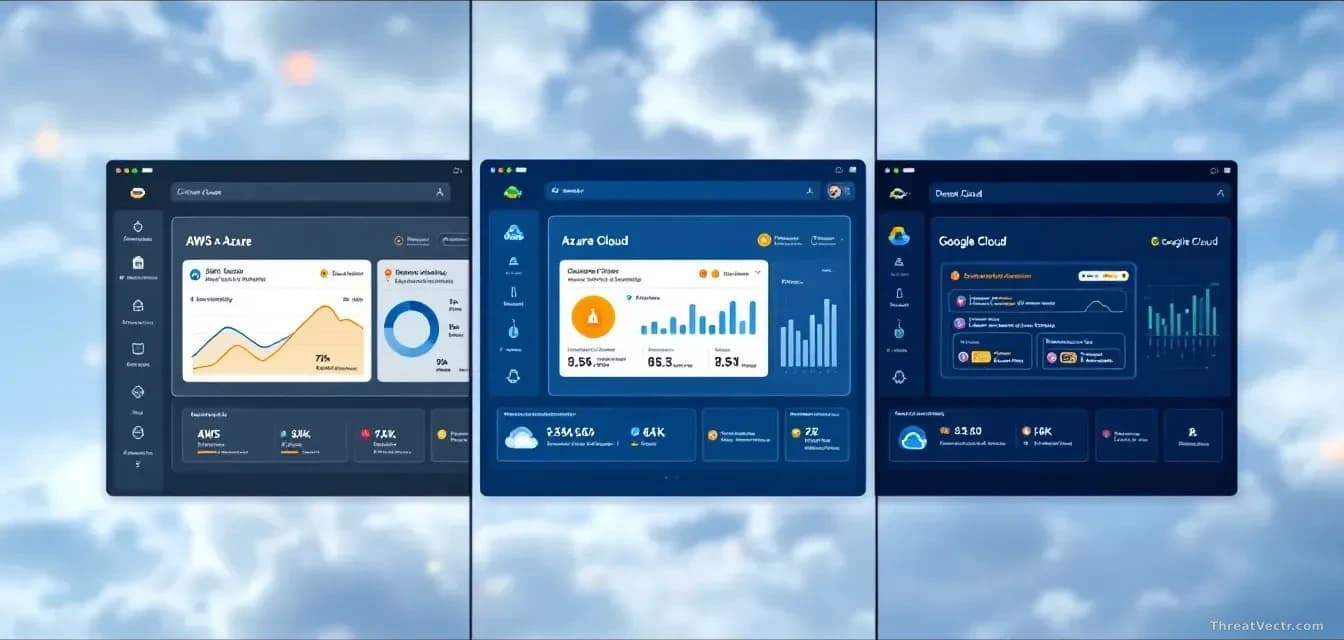
Cloud Security Isn't One Problem. It's Three.
A new Intruder study of 3,000 organisations finds AWS, Azure, and Google Cloud fail in different ways, and one checklist won't catch them all.

Microsoft Cloud Fixes, 5,000 Dropbox Accounts Hijacked, and a $1.1 Billion Security Startup: This Week's Briefing
Microsoft patched flaws in its cloud platform, criminals walked into roughly 5,000 Dropbox accounts via a signup flaw, and browser-security firm Guardio hit a $1.1 billion valuation.

Australian court blocks employer from wiping ex-worker's personal files stored in her own Canva account
A former marketing manager stored family medical records and legal documents inside her personal Canva account. After she left her job, her ex-employer appears to have locked her out. A NSW court has now stepped in.

Shai-Hulud Worm Now Hunts 469 Places for Developer Secrets
A self-spreading credential thief has more than doubled the hiding spots it checks on developer machines, from 189 to 469.

AI-Assisted Ransomware Gang Tore Through a Corporate Network in Under 10 Hours
Unit 42 researchers watched attackers use AI agents to do in a single working day what normally takes criminal crews two weeks. The case is a signal, not an outlier.

The CISO Role Is Broken. A New Title Won't Fix It.
Security leaders are being asked to run the whole company while also running its defences. One analyst says the org chart itself is the problem, not the people in it.

Securing Cloud Assets Amidst AI Challenges
Cloud misconfiguration is still how most breaches start. AI is making the problem harder to contain and easier to exploit.

A Security Start-Up Says Its AI Can Fight Back Against Hackers in Minutes. Here's What That Actually Means.
Sevii has updated its attack-detection software to include AI agents that can spot, contain, and fix security incidents automatically. The promise sounds impressive. The questions worth asking are harder.

9.5 Million People's Health and Personal Records Stolen in Aesto Health Breach
A Birmingham, Alabama healthcare data company discovered in December 2025 that criminals had broken into its cloud storage and stolen records including Social Security numbers, medical histories, and financial account details belonging to more than 9.5 million people.
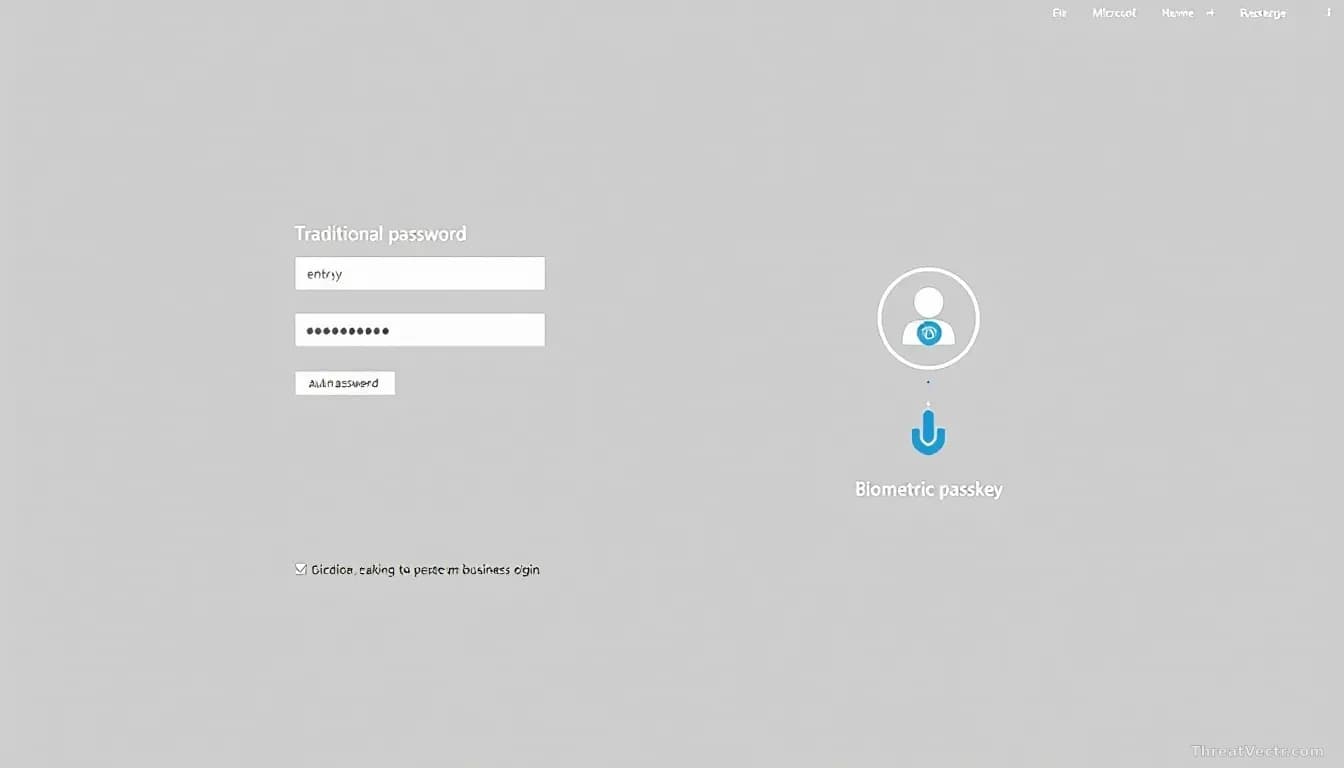
Microsoft Makes Passkeys the Default Login for Business Accounts. Passwords Aren't Dead Yet.
From September 2025, Microsoft's business identity system defaults to passkeys instead of passwords. But the shift will take years, and most companies will run both systems side by side for a long time.

AI Agents Are Breaking Cloud Security Faster Than Human Hackers Ever Could
Automated attackers can test thousands of ways into a company's cloud systems in minutes. Most security teams are still thinking at human speed.

Nigeria Builds Its Own Cloud to Keep Its Data at Home
West Africa's biggest economy is setting up its own national cloud system, aiming to stop foreign governments from accessing Nigerian data and to make government computer systems harder to attack.