UK court jails 68-year-old for £980,000 pirate IPTV business
Milan Ibrahim ran 80 servers from a Chorley address, selling stolen Sky, BBC and Premier League streams to customers in Britain and abroad.
Key points
- A UK court sentenced Milan Ibrahim, 68, to more than six years in prison for running an illegal streaming service.
- The business took £980,812 (about $1.3 million) over three years, according to the City of London Police.
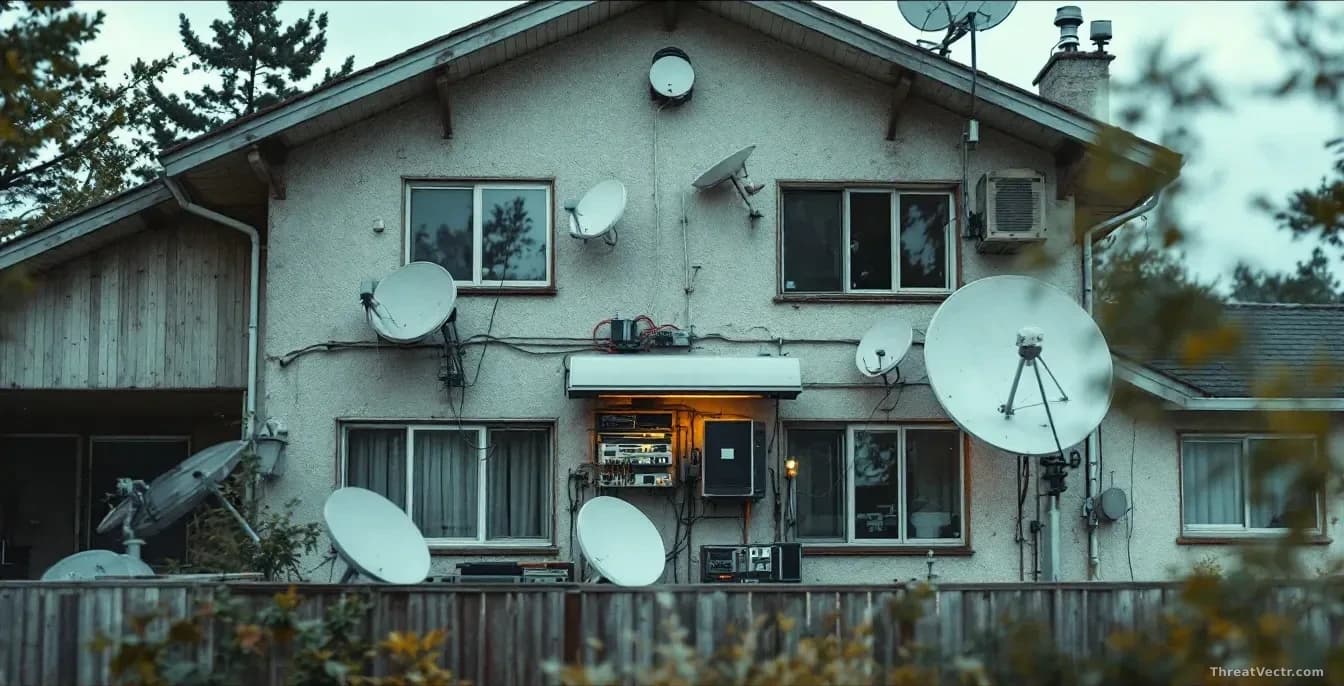
- Officers seized and shut down all 80 servers the operation ran from a premises in Chorley, Lancashire.
- Stolen streams included content from the BBC, ITV, Sky and the Premier League, as well as content covered by the Motion Picture Association.
- Ibrahim will also face Proceeds of Crime Act action to claw back the money he made.
Milan Ibrahim, 68, has been jailed for more than six years after running what the Premier League's own enforcement director calls one of the UK's most prominent and long-standing pirate TV operations.
The Police Intellectual Property Crime Unit (PIPCU), a specialist copyright crime team inside the City of London Police, led the investigation. It found that Ibrahim's service generated £980,812, roughly $1.3 million, over three years and served customers in the UK and overseas.
Who was selling what?
Ibrahim resold live broadcasts belonging to the BBC, ITV, Sky, the Premier League and content covered by the Motion Picture Association. Customers paid a subscription and received live streams of channels and matches they hadn't paid the broadcasters to watch.
The operation ran from a premises in Chorley, a town in Lancashire in northwest England, across a bank of 80 servers: the machines that pushed video feeds out to paying subscribers.
How did police shut it down?
Officers raided the site and seized every server, cutting off streams in one go. "The investigation revealed that the business operated on 80 servers from premises in Chorley and generated £980,812 over a three-year period," the City of London Police announced. "During enforcement activity, all 80 servers were seized and shut down, disrupting the operation's ability to provide illegal streaming services."
| Detail | Figure |
|---|---|
| Sentence | 6+ years |
| Revenue over 3 years | £980,812 (~$1.3m) |
| Servers seized | 80 |
| Location | Chorley, Lancashire |
| Defendant's age | 68 |
Stefan Sergot, Director of Legal Enforcement at the Premier League, called the case "significant" and described the service as "one of the UK's most prominent and long-standing suppliers of pirate services."
Beyond prison, Ibrahim faces Proceeds of Crime Act proceedings aimed at recovering the near-£1 million the business generated.
UK company records show Ibrahim was previously a director of a dissolved firm called CTU Systems that marketed IPTV software. Authorities haven't linked that company to the illegal service prosecuted in this case.
Should customers of the service worry?
Yes, at least a little. When police seize servers, they typically get the customer database too, and that can lead to fines or warning letters for people who were paying for the streams. The Federation Against Copyright Theft (FACT), which took part in this operation alongside PIPCU, has in past cases sent formal warnings to UK subscribers of services like this one.
A cheap subscription offering live football and premium film channels for a few pounds a month is almost always illegal. Our report on Vietnam's prosecution of the HiAnime operators in July showed how quickly authorities across jurisdictions now move from server seizure to identifying the people paying for pirated content.
Common questions
Is watching an illegal IPTV stream a crime in the UK?
Yes. Paying for or knowingly using an unauthorised stream of copyrighted TV is a civil and potentially criminal matter, and enforcement bodies have pursued end users as well as sellers.
How do these services get caught?
Rights holders such as the Premier League fund investigators who buy subscriptions and trace the payment chain back to the servers. Police then raid the premises and pull the hardware, as happened in Chorley.