Flock Safety's CEO Apologises After Cops Used Its Cameras to Stalk Civilians
The company behind thousands of roadside licence-plate readers admits its data was misused by law enforcement officers, including one Massachusetts officer accused of tracking an ex-girlfriend.
Key points
- Flock Safety CEO Garrett Langley issued a public apology on Thursday over documented cases of police officers misusing the company's surveillance data.
- A Massachusetts police officer faces accusations of using Flock cameras to track a former girlfriend.
- Flock Safety is rolling out changes to its systems in response to the backlash.
- The incidents raise questions about oversight when powerful tracking tools land in the wrong hands.
Flock Safety sells a network of roadside cameras that read licence plates, recording which car passed which street corner and at what time. Thousands of police departments across the United States pay to access that data. The pitch is crime-solving; the reality, as CEO Garrett Langley admitted Thursday, is that some officers have used it for something else entirely.
Langley apologised publicly for cases where Flock's data was misused by law enforcement officers. He didn't name individuals, but the timing followed CBS News Boston's report on a Massachusetts officer accused of using the cameras to monitor an ex-girlfriend, turning a crime-fighting tool into a personal stalking device. We first reported on Flock's cameras and the data risks they carry on 5 July 2026, when communities were already cancelling contracts over concerns about who could access the resulting records.
What exactly is Flock Safety, and how does its system work?
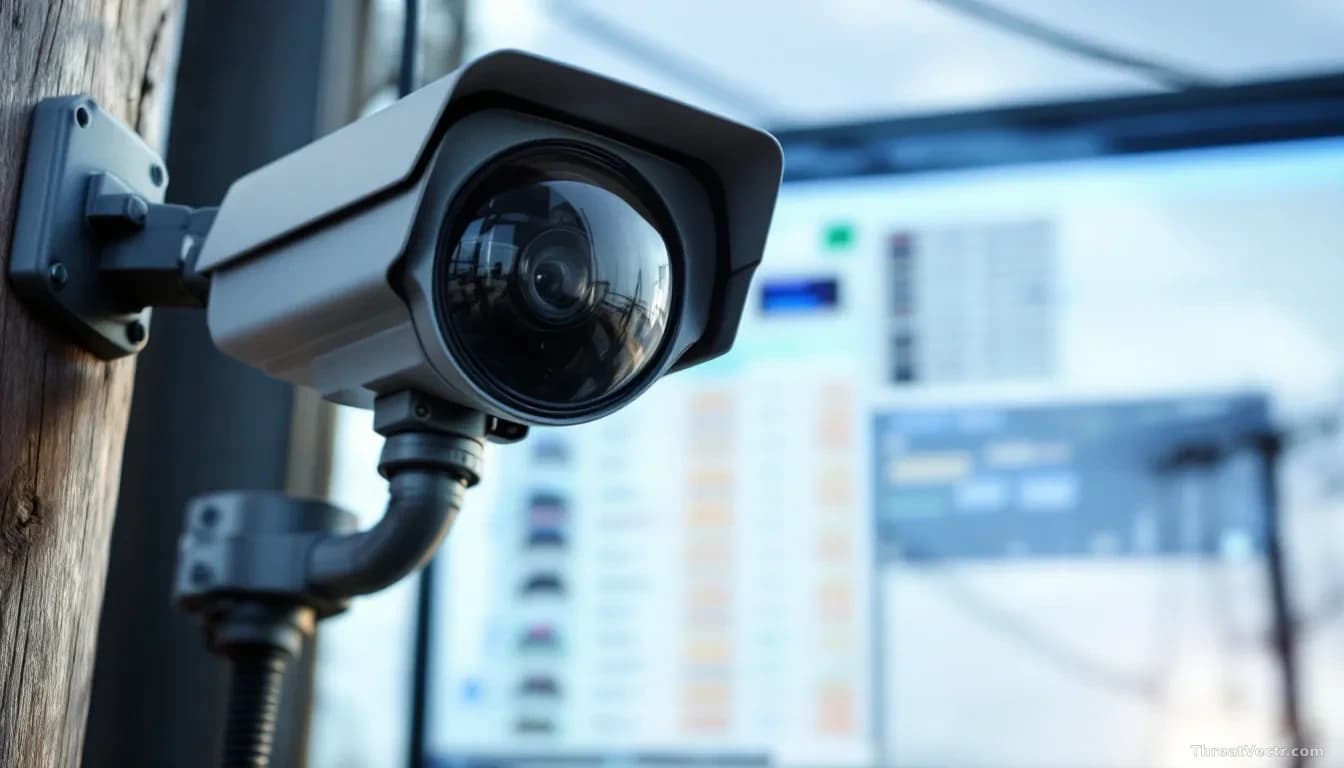
Flock Safety makes automated licence-plate recognition cameras, small devices bolted to poles that photograph every passing vehicle and log its plate, location and timestamp in a searchable database. Officers can query that database to find where a car has been.
That's genuinely useful for tracking stolen vehicles. It's also, as this case illustrates, a detailed map of a person's daily movements. The company now operates in hundreds of cities, and its cameras appear in private neighbourhoods as well as on public roads, which means the data pool runs deeper than most drivers realise.
What is Flock Safety changing?
Langley outlined several system-level changes during his public statement, though the company hasn't published full technical specifications yet. His stated goal is to add safeguards making it harder for individual officers to run unauthorised searches.
The specifics matter enormously. A lookup audit log, a record of every search an officer runs and why, is the minimum standard privacy advocates have called for. Whether Flock's new measures meet that bar remains unclear.
Should ordinary people be concerned?
Absolutely. Anyone who drives a car in an area with Flock cameras is probably already having their movements logged. That data sits in a private company's system, accessible to any officer with credentials.
The Massachusetts case is a reminder that access controls only work if someone's checking them. Oversight varies wildly from one police department to the next, and there's no federal floor.
If you think you may be a victim of stalking by someone with access to law-enforcement databases, contact a domestic-violence support organisation. They're increasingly familiar with technology-assisted tracking. Document everything: odd timing coincidences, unexpected appearances, messages hinting at knowledge of your location.
Common questions
Can I find out if a Flock camera has tracked my car?
Generally, no. There's no public-facing lookup tool, and most departments don't release individual query logs without a formal legal request such as a freedom-of-information filing.
Is using police databases for personal stalking a crime?
In most US states, yes. Unauthorised access to law-enforcement systems and using official resources for personal purposes each carry their own potential charges, separate from any stalking laws that may also apply.