AI-Powered Street Cameras Are Quietly Building a National Surveillance Grid — And Some Cities Are Walking Away
Cameras made by Flock Safety scan licence plates and flag vehicles automatically. Critics say the resulting data is a federal immigration agency's dream. A growing number of communities are cancelling their contracts.
Key points
- Flock Safety cameras use artificial intelligence to read and log licence plates on public streets in municipalities across the United States.
- Critics and civil-liberties groups argue the combined data from thousands of cameras amounts to a nationwide vehicle-tracking network.
- Federal immigration enforcement agencies can request access to camera data held by local police departments.
- Several communities have cancelled or are reviewing their Flock Safety contracts following public pressure.
- No evidence has emerged that Flock Safety shares data directly with federal agencies: the pathway runs through local law enforcement.
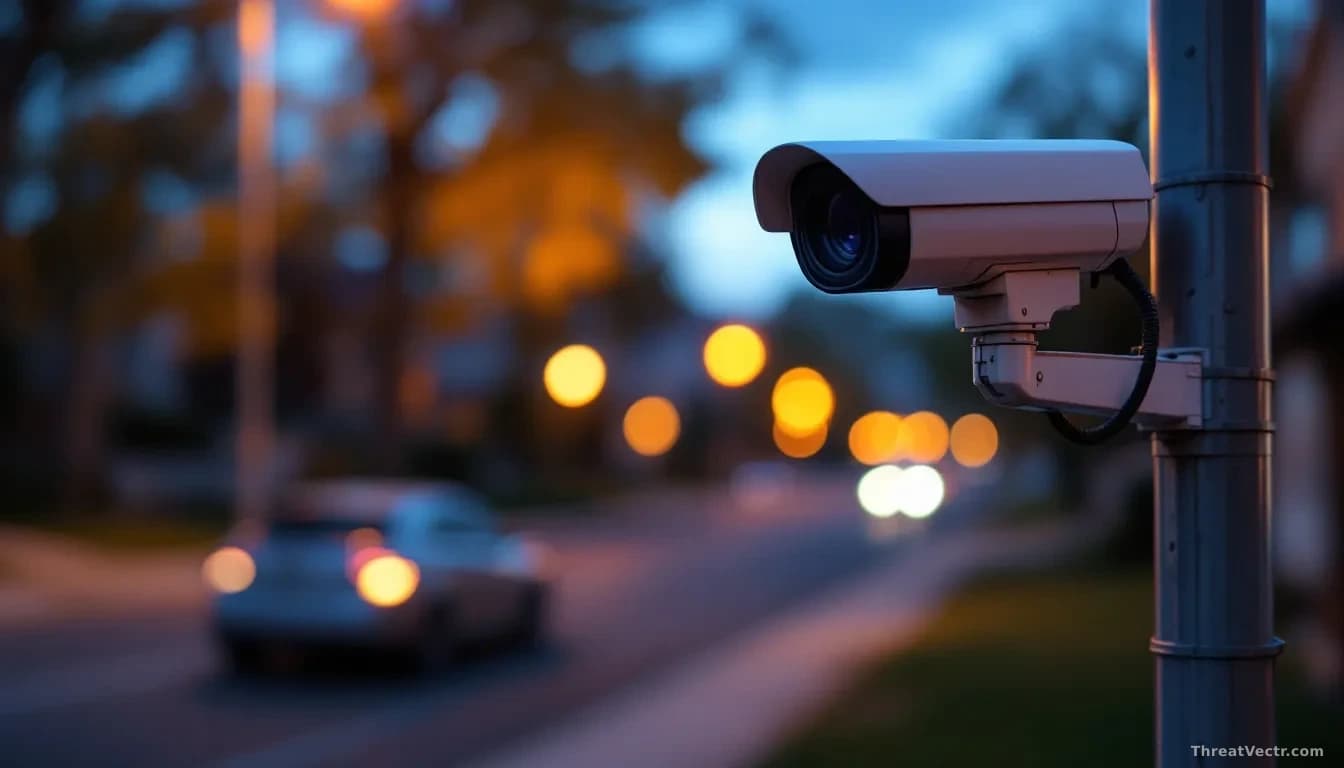
The cameras are easy to miss. Small, solar-powered, bolted to a pole at the edge of a car park or a quiet residential street, Flock Safety's devices read every licence plate that passes and log it automatically. The company markets the technology to city governments and police departments as a tool for solving car theft and finding missing people.
What happens to that data is the question tearing communities apart.
Flock Safety's cameras use AI, software that teaches itself to recognise patterns, to match plates against watchlists in seconds. Each scan creates a timestamped record: this vehicle, this location, this moment. Multiply that across thousands of cameras in hundreds of towns and the result is a detailed map of where cars go.
Could federal immigration agents see where your car has been?
Not directly from Flock, but close enough to worry people. Local police departments that subscribe to the service hold the data, and federal agencies such as ICE (Immigration and Customs Enforcement, the agency responsible for immigration arrests) can submit legal requests to those departments for records. The company says it doesn't hand data to federal agencies. Critics say that distinction offers cold comfort.
Build the network, and whoever controls local policing can hand its contents upstream. That argument is now landing at city-council meetings. NBC News reported that communities have cancelled Flock Safety contracts or opened reviews, driven by constituents uncomfortable with the scale of passive surveillance, recording people who've done nothing wrong simply because they drove past a camera.
This story sits at the intersection of two threads we've been tracking: our 12 June 2026 report on how congressional impasse left some warrantless surveillance powers in limbo showed how quickly legal frameworks can shift beneath operational systems, and the same vulnerability applies here.
Flock Safety counters that its cameras help solve real crimes and that data-retention limits and access controls prevent abuse. Those controls exist on paper. Whether they hold under political pressure is a separate question, one that local elected officials are now being asked to answer publicly.
For ordinary drivers, the picture's straightforward: if your town uses Flock cameras, your movements on public roads are being logged. How long that data is kept, who can ask for it, and under what circumstances varies by contract and local policy.
Should you worry?
Civil-liberties lawyers advise residents to submit public-records requests, formal written demands for government documents that any citizen can make, to find out whether their town uses the system and what its data policy says. That's the move worth making before the next council vote, not after.