Fake 'Watch The Odyssey Free Online' Sites Are Stealing Bank Details From Film Fans
Criminals are buying ads for bogus streaming pages tied to the summer's biggest blockbuster. If you hand over your card number for the 'free trial', your money goes with it.
Key points
- Fake websites are impersonating streaming services to exploit interest in The Odyssey, the 2025 film adaptation of Homer's ancient Greek poem.
- Visitors who sign up risk phishing scams, where criminals use fake pages to steal personal and financial information.
- The sites may also infect visitors' computers with malware, meaning harmful software installed without the user knowing.
- Criminals are running paid adverts to push these pages up in search results, making them look credible at first glance.
- Fake positive reviews are designed to push hesitant visitors into signing up.
What is actually happening here?
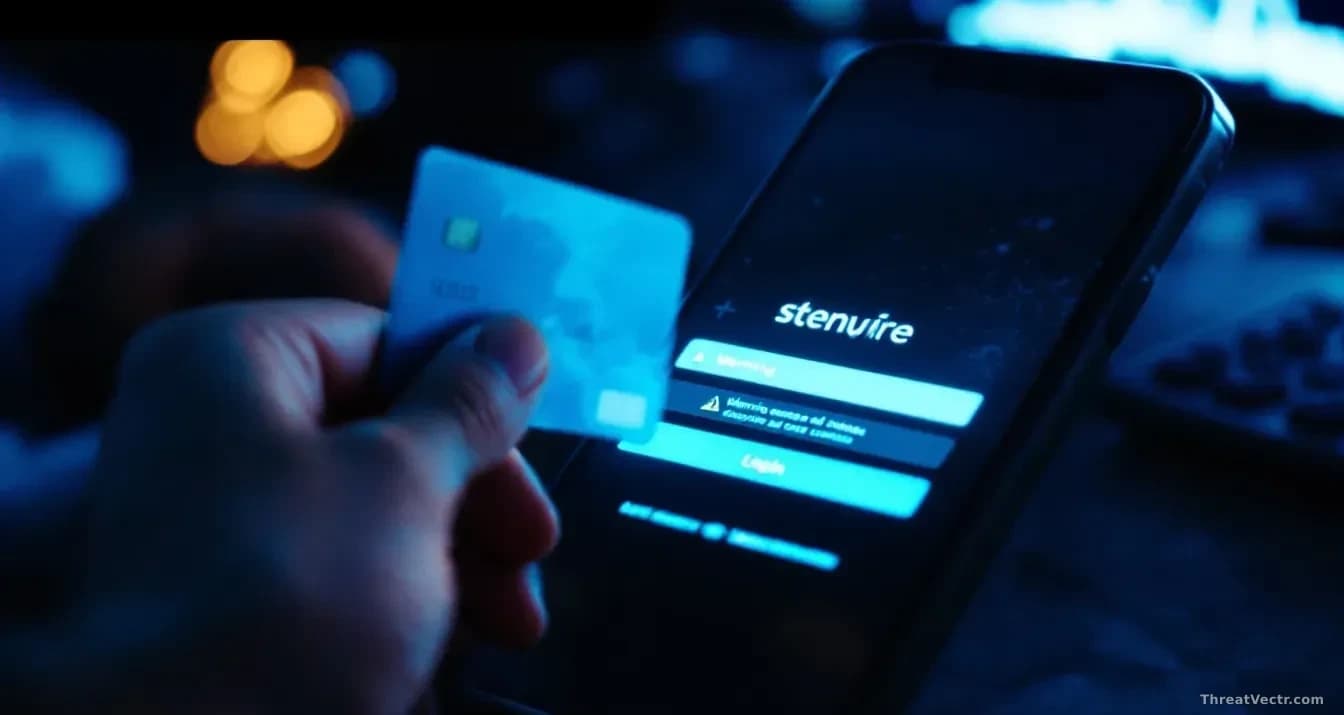
Criminals have built convincing fake streaming websites and are advertising them to anyone searching for The Odyssey online. You click the ad, land on a page full of glowing reviews, and get offered a free trial that asks for your bank card details.
That last part's the tell. A genuinely free trial doesn't need your card number upfront. People are excited, the site looks real, and the ask feels just barely plausible enough to go along with.
Once you type in your details, the criminals have what they need. Victims can expect unauthorised charges, their card details sold on criminal marketplaces, or both.
Could the sites also damage your computer?
Yes. Some of these pages carry malware, software secretly downloaded onto your device that can log keystrokes, steal saved passwords or give criminals ongoing access to your machine. You don't always have to click anything specific. Visiting the wrong page can be enough on an unpatched browser.
The Guardian first flagged this campaign as The Odyssey became one of the summer's most talked-about releases. It's the kind of cultural moment criminals time these operations around, and it's not the first time we've seen the pattern: our story on fake Spotify payment emails, published 29 July 2026, documented the same copycat-site mechanics used against a different audience.
What should film fans actually do?
Check the URL before you type anything. Legitimate streaming services have recognisable, established web addresses. If you found the site through an ad rather than by going directly to a service you already use, treat that as a warning sign.
Never enter bank details for a free trial unless you're on a platform you already know and trust. A free trial demanding payment information isn't free in any meaningful sense.
If you've already entered your details on a site like this, contact your bank now and ask them to flag the card for suspicious transactions. Most banks can issue a replacement card quickly. Change any passwords on the device you visited the site from, starting with email and banking apps.
Keep your browser and operating system updated. Most of these attacks use known weaknesses that patches have already fixed, so current software cuts the malware risk considerably.
Operational takeaway: if a free thing is asking for your card, it isn't free.