Dead Animals on a School Doorstep Led Journalists Into a World of Illegal Bloodsports and Organised Crime
A new BBC podcast follows the trail from 20 mutilated carcasses outside a Hampshire primary school to hare-coursing gangs, the dark web, and allegations of police corruption.
Key points
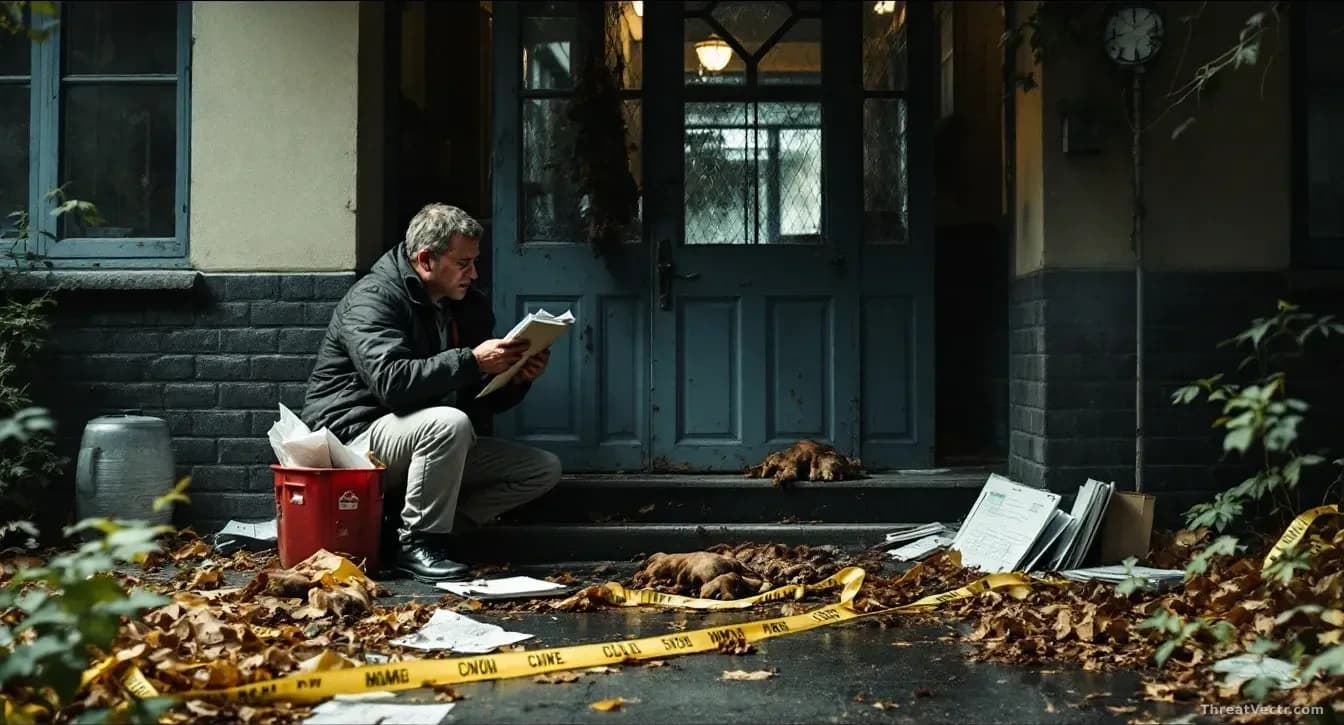
- Around 20 animal carcasses, including a beheaded muntjac deer, were dumped outside a rural Hampshire primary school in 2024.
- Hare coursing, meaning the use of dogs to chase and kill hares, has been illegal in the UK since 2005.
- Investigative journalists Dan Ashby and Lucy Taylor connected the dumping to organised criminal networks behind illegal bloodsports.
- The 10-part podcast series "Buried: Dead Rabbit" is available now on BBC Sounds.
- Researchers found links between hare-coursing gangs and the dark web, an encrypted part of the internet not accessible through ordinary browsers.
One morning in 2024, a Hampshire village woke up to a scene that stopped people cold. About 20 dead animals had been dumped outside the local primary school, blood reaching the street before children arrived.
The carcasses included rabbits, hares, a fox and a muntjac deer with its head removed. Nobody could explain why.
That question pulled in Dan Ashby and Lucy Taylor, a married pair of investigative journalists behind the award-winning BBC podcast series Buried. Their answer was buried deep.
The two traced the dumping to the world of illegal hare coursing: setting dogs on hares to chase and kill them, a practice Parliament banned across the UK in 2005. The ban hasn't stopped it.
Ashby and Taylor found hare coursing isn't simply a rural nuisance. It connects to organised criminal networks, coordinated groups running illegal activities for profit, and to individuals who have allegedly used violence and intimidation to silence witnesses in villages across the country.
They also encountered references to the dark web and what they describe as Line of Duty-style rumours: allegations mirroring the TV drama's theme of corruption inside law enforcement, pointing toward possible police wrongdoing.
The findings are now a 10-part podcast called "Buried: Dead Rabbit," on BBC Sounds now. A documentary is also in the works.
For people in rural areas, this isn't abstract. Hare-coursing gangs have been documented trespassing on farmland, threatening farmers and, the podcast suggests, leaving scenes like the one outside that Hampshire school as deliberate intimidation. Vehicles on fields at dawn, or dogs set on hares, can be reported to the RSPCA or local police, both of which run dedicated lines.
Should you worry?
If you're a city reader, probably not directly. But the pattern here, organised crime embedding itself in communities too small or too frightened to push back, echoes what our July story on New Zealand found: that organised crime exploiting quiet, under-resourced environments is a problem well beyond any one jurisdiction. The podcast's value isn't in the bloodsport detail. It's in showing how thoroughly criminal networks can insulate themselves from accountability when witnesses are scared and oversight is thin.