Australian Supermarkets Are Testing Face-Scanning Technology on Shoppers
Coles and Woolworths have confirmed trials of facial recognition software in their stores. Privacy advocates say collecting biometric data from grocery shoppers crosses a line.
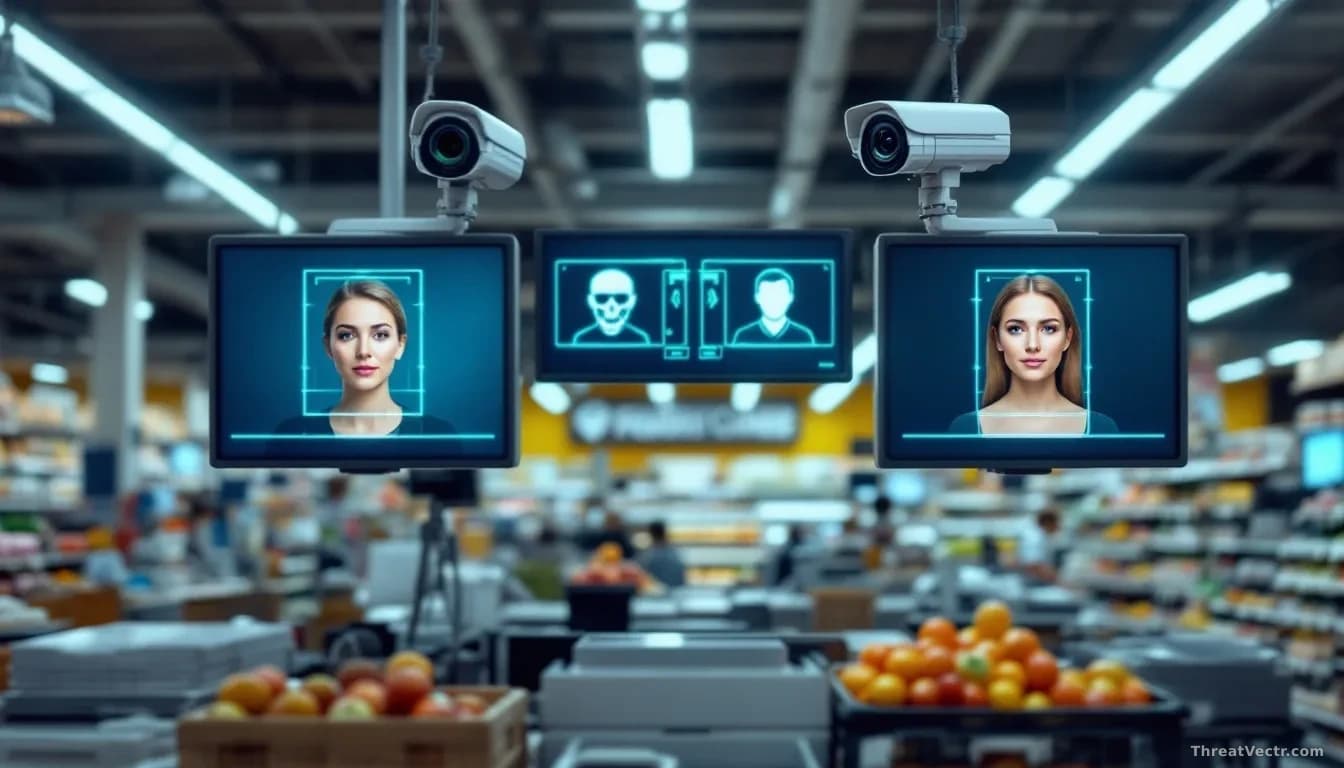
Key points
- Coles and Woolworths both confirmed in 2024 that they have tested facial recognition technology in Australian supermarkets.
- Both chains say the technology is being explored to reduce retail crime, including physical aggression toward staff.
- Privacy advocates warn the trials are normalising mass biometric surveillance of ordinary shoppers.
- No Australian federal law currently bans retailers from collecting shoppers' facial data for loss-prevention purposes.
You went to buy groceries. A camera may have scanned your face.
Coles and Woolworths, Australia's two largest supermarket chains, confirmed on Monday that they've trialled facial recognition technology in their stores. The system captures a shopper's face and converts it into a unique numerical code, called a biometric, that can be stored and checked against a database. Both companies said they're weighing a broader rollout, citing retail crime and staff safety.
What exactly does this technology do?
Facial recognition software analyses the geometry of a person's face and creates a digital fingerprint unique to that individual. If a store has flagged someone as a known shoplifter or aggressor, the system can alert staff the moment that person walks in.
That's genuinely useful for security teams. The concern privacy researchers raise is what happens to the data collected from every other shopper who walks through the door, including the millions who've never done anything wrong. Threat Vectr reported on 13 August that Western Australia Police ran face-scanning cameras across Perth and Fremantle for weeks before its own privacy watchdog got a proper look; the question of proportionality looks similar here.
Should ordinary shoppers be worried?
Yes, to a measured degree. Unlike a loyalty card you choose to sign up for, facial recognition collects data passively. You don't opt in, and you may not know it's happening. The response from privacy advocates, as first reported by Guardian Australia, was sharp.
The practice, critics say, normalises the idea that entering a shop means consenting to having your face recorded and stored by a private company. Once that data exists, it raises questions about retention periods, access rights, and what happens if the company is acquired or compelled by law enforcement.
Australia's Privacy Act covers some of this ground, but enforcement against large retailers collecting biometric data for loss-prevention hasn't been tested in this specific context.
| Retailer | Technology status | Stated reason |
|---|---|---|
| Coles | Trialled, under review | Retail crime, staff safety |
| Woolworths | Trialled, under review | Retail crime, staff safety |
What can shoppers do right now?
In practice, options are limited. You can't easily opt out of a camera system operating at the door of a store you need to use. You can contact the retailer directly and ask for their biometric data retention policy in writing. Under Australian privacy law, companies must tell you what personal information they hold about you if you ask.
If you believe your biometric data was collected without proper disclosure, you can lodge a complaint with the Office of the Australian Information Commissioner.
Whether collecting face data from millions of innocent shoppers is proportionate to catching a small number of bad actors is a question regulators still need to answer. Retailers have the capability. Whether they have the right is still very much open.