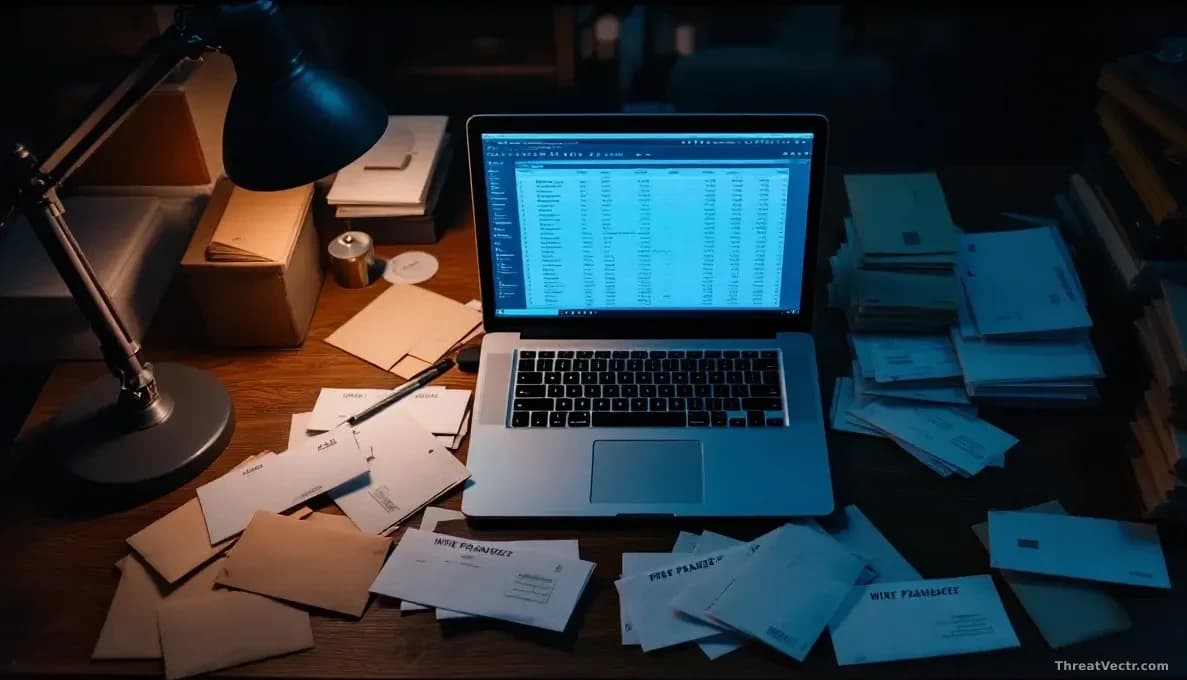
Timor-Leste Police Arrest 314 People in Raids on Scam Call Centre Compounds
A country just 700 kilometres from Darwin has become the latest staging ground for international phone fraud, as police crack down on fortified compounds packed with laptops, SIM cards, and satellite internet equipment.
Key points
- Timor-Leste police arrested 314 people, mainly Chinese and Indonesian nationals, across raids conducted over three weeks in June and July 2025.
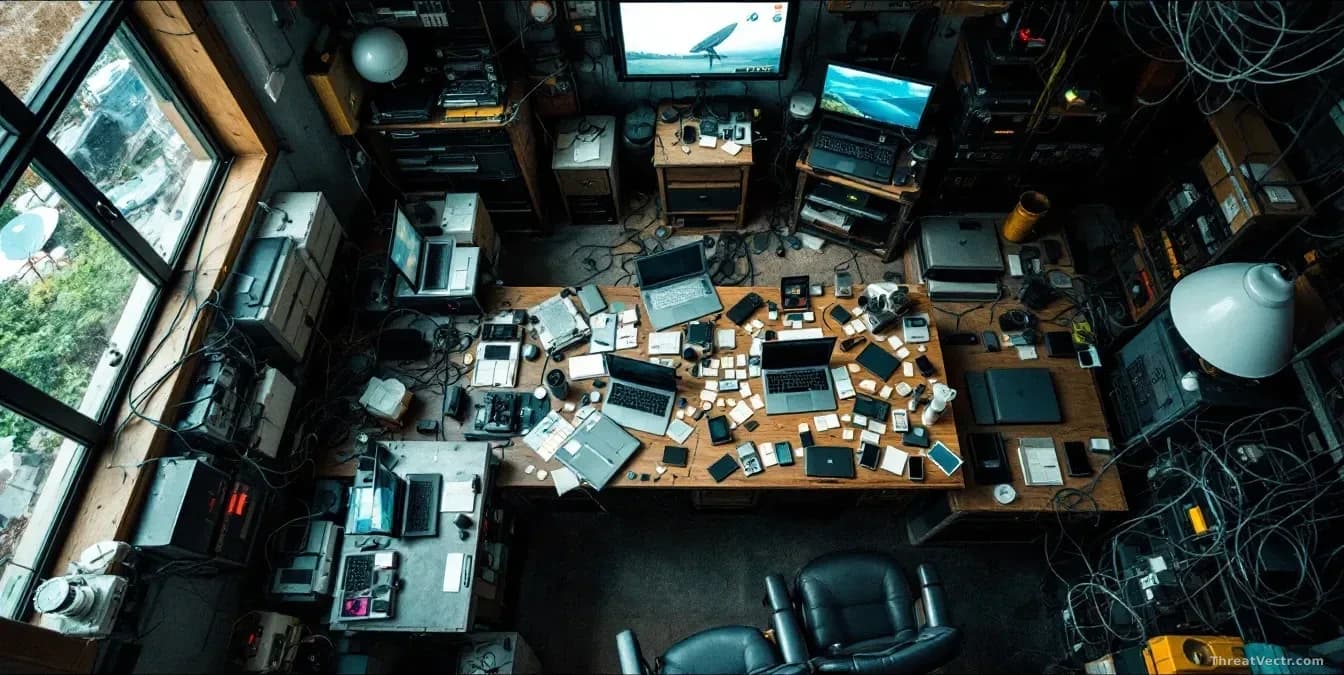
- Officers seized thousands of SIM cards, laptops, and multiple Starlink satellite internet units from three heavily fortified compounds in the capital, Dili.
- The UN Office on Drugs and Crime estimated that scam centres across Cambodia, Myanmar, and Laos generate more than $50 billion in annual profits each year.
- More than 50 of the arrested workers had no passport, suggesting employers had confiscated the documents, a control tactic documented widely across Southeast Asian operations.
Phone scam factories spent years in Cambodia and Myanmar. Now, pressure from those governments is pushing the same criminal networks into newer, less experienced countries. Timor-Leste, sharing a sea border with northern Australia, is the latest to find itself targeted.
Police raided three fortified compounds in Dili over five days, arresting 253 workers. A separate raid in late June brought the total to 314. Workers appeared in court on Monday and Tuesday accused of money laundering, illegal online gaming, and criminal association.
How did these operations end up in such a small country?
Criminal networks deliberately pick places where online fraud laws are thin and local institutions are still developing. Michael Rose, an adjunct professor at the University of Adelaide who has visited scam centres in Timor-Leste, told ABC News Australia that these groups seek out governments they expect to be easy to work around. What they found here, he said, was a government willing to push back hard.
The compounds weren't obvious industrial units. Some were large residential homes rented by local landlords who had no idea what was happening inside. One landlord told local media he believed his Chinese tenants were in Dili to build a convention centre, and only learned the truth when police called him to the property.
Inside, officers found thousands of SIM cards (small chips that give a phone its number, letting callers rotate through hundreds of identities), laptops, and multiple Starlink units. Starlink is a commercial satellite service that delivers fast connectivity even where local networks crawl. Timor-Leste has some of the slowest average internet speeds in the world, so that access was essential. Most workers entered on tourist visas.
The suspects came from China, Cambodia, and Indonesia. Police haven't confirmed whether Australian residents were targeted, though similar operations in Cambodia have used scripts where callers impersonate police and demand payments from Australians. We covered a related pattern on 13 July 2026, when UK prosecutors charged five people over Russian Coms, a platform that helped criminals impersonate banks and police in 1.8 million fake calls.
Further raids are planned. Timor-Leste's government issued a statement saying it has no tolerance for transnational criminal activity.
Should you worry?
If you're in Australia, the short answer is yes, cautiously. Operations like these are specifically engineered to sound local and official. If you receive an unexpected call from someone claiming to be a police officer or a bank fraud team asking you to transfer money or confirm personal details, hang up. Call the organisation back on a number you find from an official website. Legitimate agencies don't demand instant payment over the phone.