The 2026 Vendor Survey Nobody Asked For, Except The Findings Actually Track
The Bitdefender Cybersecurity Assessment polled 1,200 practitioners and concluded awareness is up and resilience is flat. Anyone running production already knew that.

Key points
- The 2026 Bitdefender Cybersecurity Assessment polled 1,200 IT and security professionals and found organizations are more aware of cyber risk than ever.
- Respondents described rising budgets and tool counts alongside flat mean-time-to-remediate.
- Awareness is a trailing indicator of marketing spend, not a measure of risk posture.
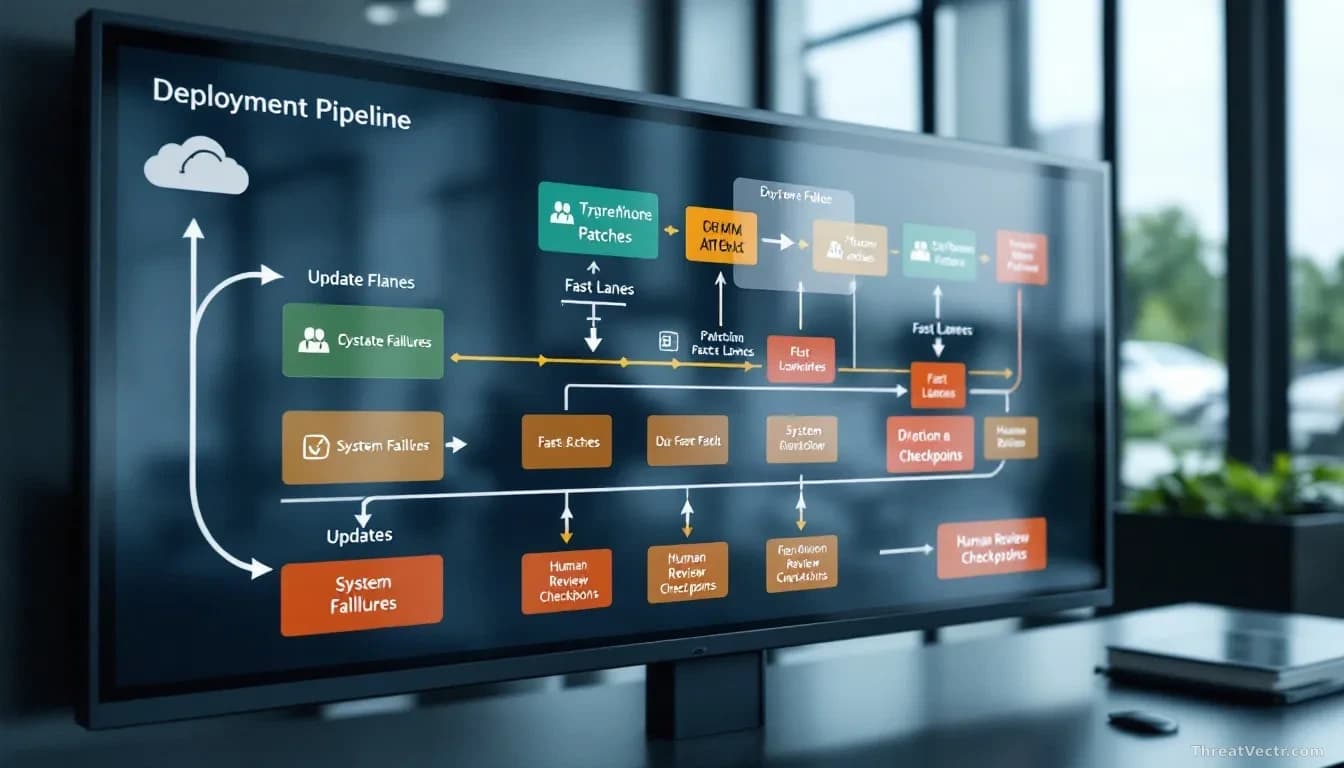
- Resilience is a platform property: it lives in the deploy pipeline, not the CISO's deck.
- The real metric worth tracking is how long it takes a platform engineer to ship a fix from a security finding to production.
Another year, another vendor-sponsored assessment landing in my inbox. This one polled 1,200 IT and security professionals and concluded that organizations have never been more aware of cyber risk and have never had a harder time turning that awareness into operational resilience.
I'd roll my eyes, except the finding matches what every incident review I read in 2025 already said.
Is the gap really new?
It isn't. It's structural. Security teams sit in a Jira queue upstream of the platform engineers actually running the EKS clusters, the GKE Autopilot workloads, the Azure subscriptions nobody remembers provisioning. Awareness lives in the CISO's deck. Resilience lives in whether the on-call SRE at 3 a.m. Can rotate a leaked IAM key without breaking prod.
Those are different jobs. In practice they're staffed by different people who talk to each other in tickets.
The report frames its findings as "contradictions," which is generous. What survey respondents are describing is the standard operating condition of a modern cloud environment: budget going up, tool count going up, mean-time-to-remediate stubbornly flat. The failure mode here isn't ignorance. It's that patching a critical container image vulnerability requires a rebuild pipeline, a staging environment that mirrors prod, and a change window nobody wants to sign off on. We made the same observation on 23 June in our piece on the shift from prevention to resilience.
Should you worry about the specific findings?
A few things are worth flagging without needing a lengthy PDF to say them.
First, awareness metrics are a trailing indicator of marketing spend, not risk posture. Every board deck since 2022 has a cyber slide. That doesn't mean the S3 buckets are private.
Second, resilience is a platform property, not a security-team property. If your detection stack is beautiful but your Terraform module for a new VPC still defaults to public subnets, the postmortem writes itself. Our 1 July story on detection engineering, "Detection Engineering Grew Up. Most Security Stacks Didn't.", covers exactly how that gap compounds over time.
Third, the survey's framing of "surprising contradictions" is the tell. None of this is surprising to anyone who has been on-call. It's surprising to the people commissioning the surveys.
What actually fixes it?
One thing the post-mortem will say, again, in 2026: the org knew. The runbook existed, the control was documented, and nobody had time to wire it into the deploy pipeline before the incident.
Stop measuring awareness. Measure how long it takes a platform engineer to ship a fix from a security finding to production without a war room. That number is your resilience score. Everything else is a slide.
The vendor won't say this plainly: resilience is a pipeline problem, and no survey is going to fix your change-management culture.