Surfshark Admits Hackers Reached Internal Test Server After Config Slip
The VPN provider says customer traffic and identities were untouched, but engineering credentials and build files sat exposed on the open internet for days.
Key points
- Surfshark disclosed that hackers reached an internal test server between August 31 and September 2, 2026, after a misconfiguration left it open to the internet.
- Customer VPN traffic, browsing activity, IP addresses and encryption keys were not exposed.
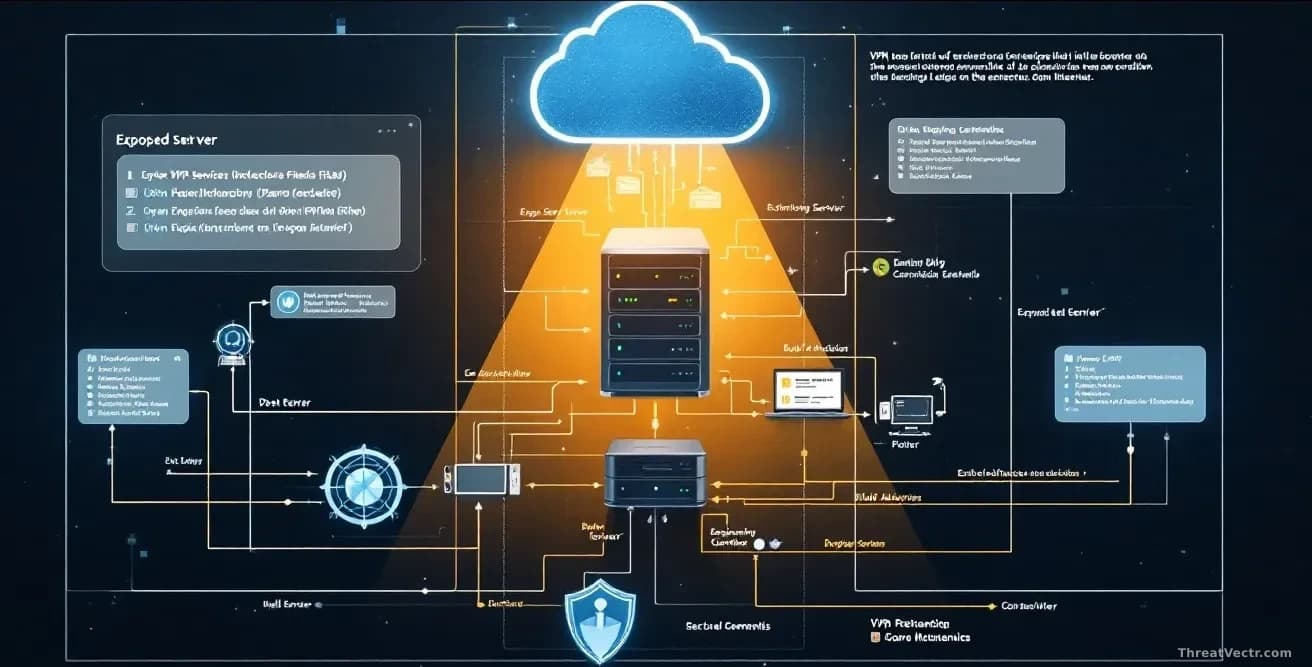
- Service configurations, build-related credentials, portions of system binaries and code history sat on the exposed machine.
- A second server, used as a proxy for content-accessibility work, was also accessed but held no user data.
- Surfshark rotated internal credentials, revoked tokens and commissioned an independent audit of its wider infrastructure.
Surfshark, one of the larger consumer VPN providers, has confirmed that an internal test server was reachable from the open internet for several days in late August and that an unauthorised party got in. A VPN, or virtual private network, routes a customer's internet traffic through the provider's servers to hide it from outside observers.
The company blames "human error". An engineering test machine that should have sat behind the firewall was misconfigured and left facing the public internet. It's the kind of slip that misconfiguration coverage tends to undercount: seven stories in that category have run on Threat Vectr since May, and the pattern holding across all of them is that the door wasn't forced, it was left open.
On that server: service configurations, credentials tied to Surfshark's software build process, and chunks of system binaries and code history. Surfshark hasn't said exactly which files or which credentials were exposed.
A second machine was also accessed. It was a proxy server used for what Surfshark calls "content-accessibility optimization", helping the service reach geo-blocked content. The company says that box held no user identities, no browsing traffic and no encryption keys.
What actually got out?
Engineering material, not customer data, according to Surfshark. Nothing that would let an outsider unmask a specific user or read their traffic, the company says.
"Personal information was never held and accessible from here," Surfshark wrote in its disclosure, adding that VPN traffic and browsing activity "are not logged or retained in the first place" and that apps and browser extensions on customer devices weren't tampered with.
The incident was first reported by BleepingComputer.
How did the hackers get in?
They walked through an open door. A configuration mistake left the test server addressable from the internet, and someone found it.
There's no indication so far of a software exploit, a phishing attack on staff, or an insider. Just a machine that should've been private, sitting in public view.
| Date (2025) | Event |
|---|---|
| Before Aug 31 | Test server misconfigured, exposed to internet |
| Aug 31 | Surfshark detects suspicious activity |
| Sep 2 | Incident contained |
| Sep 5 | Remediation completed |
Should Surfshark customers do anything?
No action is required, based on what the company has published. Passwords don't need changing and the apps on your phone or laptop haven't been altered.
Be wary of unexpected emails claiming to come from Surfshark, particularly any that ask you to click a link or hand over your login. That's phishing, where criminals send fake messages hoping you type your password into their site.
What has Surfshark changed?
The company has rotated all internal credentials that may have been on the exposed server, revoked the tokens that leaked and added extra monitoring. Tokens, in this context, are the digital keys that let one internal system talk to another.
Surfshark is also applying production-grade security controls to its test environments, tightening how build-process credentials are stored, and has hired outside auditors to review the wider setup.
The company says there's no evidence any exposed credentials have been used, or that the intruder moved deeper into its systems. Further updates are promised if the investigation turns up anything material.
For a VPN vendor whose entire product is privacy, an engineering slip that puts any server on the open internet is the kind of story that lingers. The build credentials are the real concern here, not the proxy box: if they were valid at the time of access, the window for lateral movement was real, whatever the logs say now.