Samsung's New Galaxy S26 Ultra Has a Screen That Blocks Nosy Neighbours — But Is That a Security Feature?
The phone's built-in privacy display is a neat hardware trick. What it can't do is protect the data sitting behind the glass.
Key points
- Samsung launched the Galaxy S26 Ultra in 2025 at £1,279 / $1,299, making it the company's most expensive current handset.
- The phone includes a first-of-its-kind privacy display built directly into its 6.9-inch screen, designed to stop nearby strangers reading what's on it.
- Four rear cameras, a built-in stylus and AI features are woven throughout the software.
- Physical privacy features do not protect against the most common ways personal data actually gets stolen from phones.
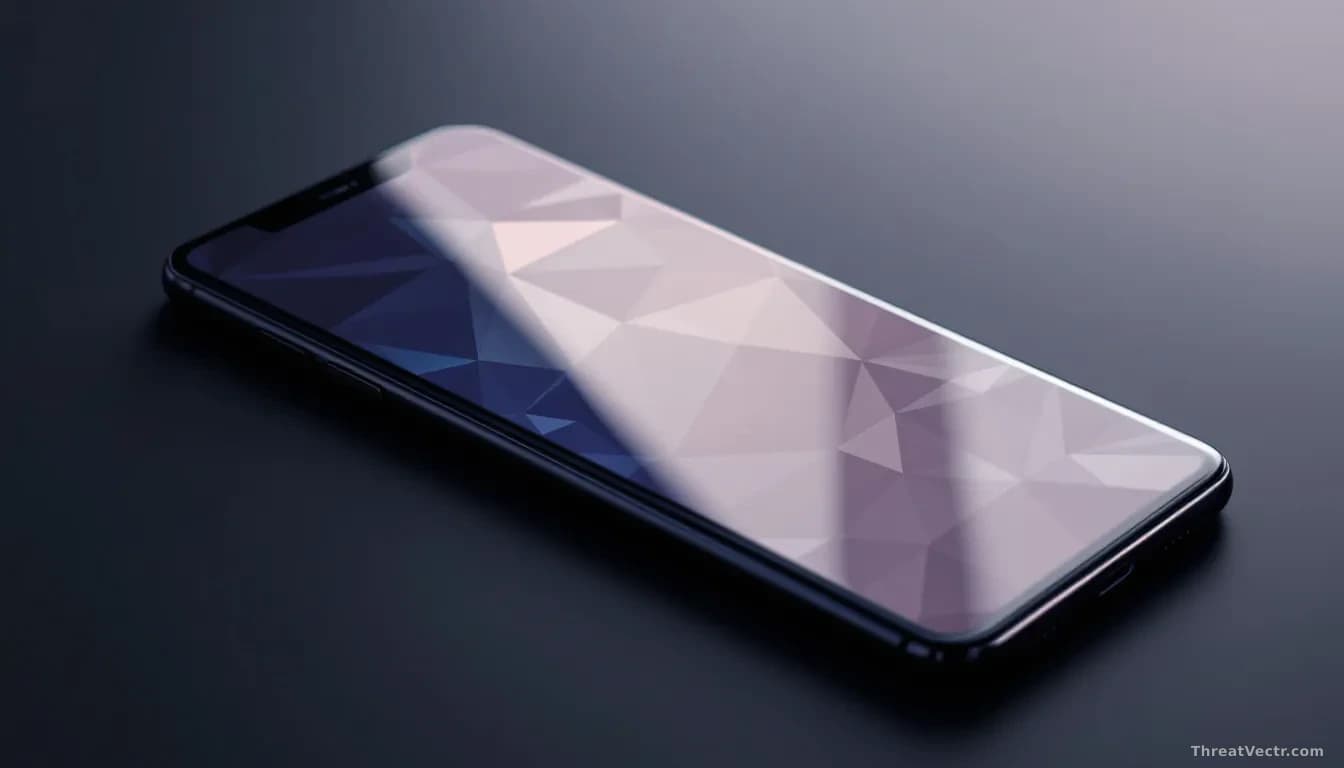
Samsung's Galaxy S26 Ultra, first reviewed by The Guardian Technology, has a trick no other phone currently offers: a privacy display baked straight into the screen. Think of it like the tinted film people stick on laptop screens in coffee shops, except it's part of the glass, activated at will, with no film to bubble or peel.
Tilt the screen toward anyone beside you on a train and they see nothing. You see everything. Shoulder surfing, the low-tech habit of craning over someone's shoulder to read their messages or banking app, is older than smartphones. This is a hardware answer to it, and it works.
People in open offices and hospital waiting rooms routinely expose sensitive information to bystanders without realising it. A privacy screen removes that risk for the moments it counts.
The bigger question is what it doesn't cover.
So what do people actually need to worry about?
The realistic threats to phone data are software-based, not optical. Phishing, where criminals send fake texts or emails designed to look like your bank or a delivery company, hoping you tap a link and hand over your login details, accounts for a huge share of consumer account takeovers. Fake or hijacked apps that silently harvest passwords are another steady source of harm.
A privacy screen stops zero of those attacks. That point is worth holding onto when a hardware feature gets marketed as a step up in security.
Samsung's AI features, embedded across the S26 Ultra's camera and messaging tools, also deserve a clear-eyed look. Useful, yes. But AI tools that process your photos and messages raise real questions about where that data goes and who can reach it, questions Samsung addresses in its privacy settings but that most buyers never read. Worth remembering: our reporting on a KNOX kernel flaw on 23 June found a high-severity bug sitting unpatched in Galaxy devices for nearly a decade, which puts some perspective on how thoroughly any phone's security envelope gets scrutinised before it ships.
None of this makes the S26 Ultra a bad phone. Four cameras, a stylus, long battery life and a privacy display that does what it claims: it's serious hardware.
Just don't let the clever screen replace the boring habits. Keep your operating system updated, treat unexpected links with suspicion, and check which apps can reach your microphone and location. Those steps protect you from threats the glass was never designed to see.