North Korean IT Worker Infiltrated a Federal Agency, Boeing 737 Security Flaws Explored, and Refrigeration Systems Found Vulnerable
A North Korean operative got hired at a US government agency, researchers found exploitable weaknesses in Boeing 737 onboard systems, and serious flaws turned up in industrial refrigeration controllers. Here's what each finding means in practice.
Key points
- A suspected North Korean operative was hired at a US federal agency and gained access to internal systems.
- Security researchers identified exploitable pathways in Boeing 737 onboard computer networks under controlled lab conditions.
- Industrial refrigeration controllers used in cold-storage warehouses contain serious software vulnerabilities.
- Rapid7 carried out a round of staff layoffs, according to SecurityWeek.
- A DEF CON attendee was blamed for disrupting a Delta Air Lines flight.
Three stories broke last week without getting the coverage they deserved.
How did a North Korean worker end up inside a US government agency?
Someone posing as a legitimate IT contractor, almost certainly acting for the North Korean government, was hired by a US federal agency and walked straight into internal systems. The tactic isn't new: North Korea places fake tech workers at Western organisations to earn hard currency and steal data. What's new is that a federal agency is now confirmed among the targets.
We covered the mechanics of this scheme closely. On 11 August our sting operation story detailed how researchers recorded every keystroke on laptops issued to three suspected North Korean hires, exposing the wage-funnelling pipeline back to Pyongyang. The day after, our remote onboarding piece mapped exactly where background checks fail and impostors slip through. If you're in HR or manage contractor onboarding, those two reads are the practical brief. Identity verification, not just CV screening, is now a baseline security requirement.
Should passengers worry about Boeing 737 computer systems?
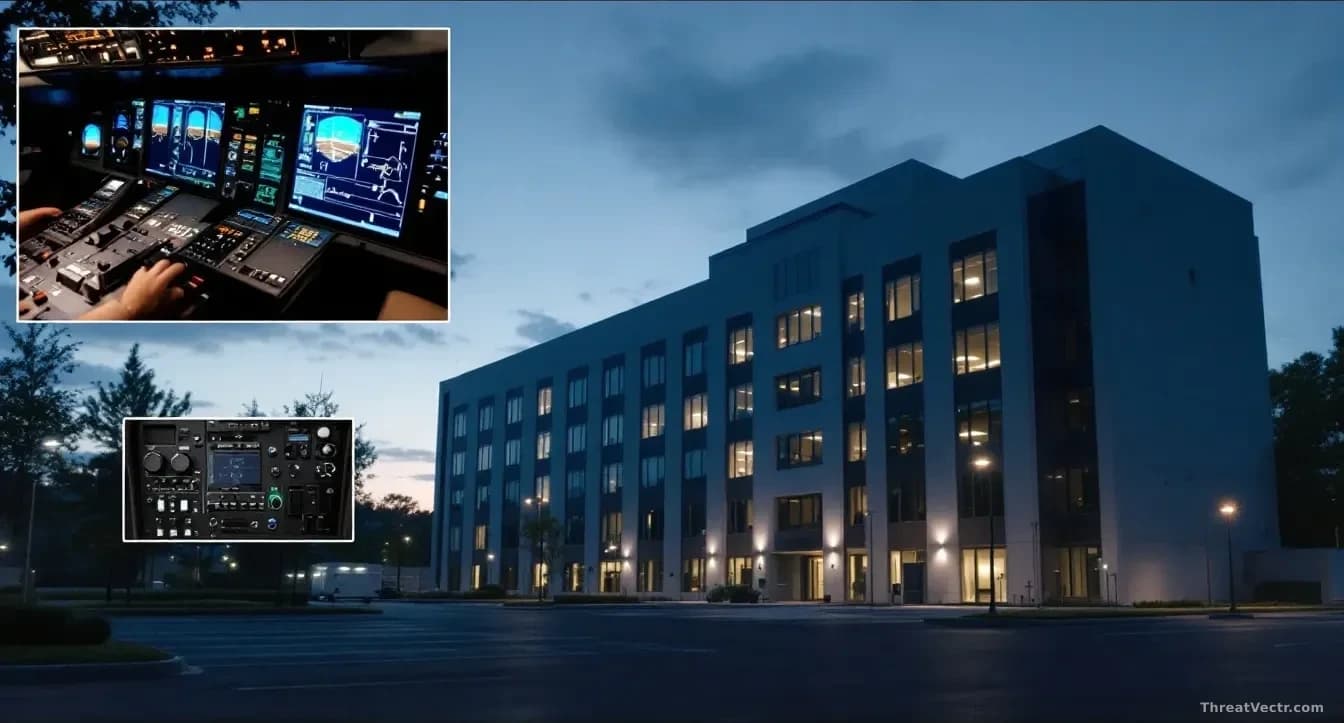
No flight was put at risk. Researchers worked in a controlled lab environment, probing the onboard computer networks of a Boeing 737 and identifying pathways that could, under specific conditions, let an attacker interfere with onboard systems. Aviation regulations require strict separation between passenger-facing networks and flight controls, but the research tests whether that separation holds under pressure. The findings are a push for manufacturers to harden those boundaries before a real attacker maps the same routes.
What are the refrigeration vulnerabilities, and who is at risk?
Security flaws were found in the computerised controllers that maintain temperature in cold-storage warehouses and logistics hubs. An attacker who exploited them could raise temperatures remotely, spoiling food stock or degrading pharmaceutical supplies. These systems sit quietly inside the supply chains feeding supermarkets and hospitals, which makes them attractive targets and chronically under-audited ones. Affected systems need patching or isolation from internet-facing networks now, not at the next maintenance window. The parallel with water infrastructure is hard to ignore: our 11 August story on drinking-water security upgrades showed how long operational technology sits exposed before anyone treats it as a priority.
| Story | What was affected | Status |
|---|---|---|
| North Korean IT worker | US federal agency internal systems | Breach confirmed |
| Boeing 737 research | Onboard computer networks | Research disclosure, no patch announced |
| Refrigeration controllers | Industrial cold-storage systems | Vulnerabilities disclosed, patching advised |
| Rapid7 layoffs | Internal workforce | Confirmed |
| DEF CON / Delta incident | Delta Air Lines flight | Under investigation |
The refrigeration story is the one I'd watch. Operational technology in food and pharmaceutical cold chains gets a fraction of the security scrutiny that IT networks do, and the physical consequences of a successful attack are immediate.