Meta's New AI Tool Lets Anyone Remix Your Instagram Photos Without Asking
Muse can turn public profile pictures into AI-generated images. Experts warn ordinary users may not realise they have already opted in.
Key points
- Meta launched an AI image-generation tool called Muse for Instagram users in 2025.
- Muse lets any Instagram user take photos from public accounts and use them to create AI-generated images without the original poster's knowledge or permission.
- Public account holders are exposed by default, meaning millions of everyday users face potential misuse of their photos.
- The tool raises immediate concerns about deepfakes, which are AI-made fake images or videos that make a real person appear to do or say something they never did.
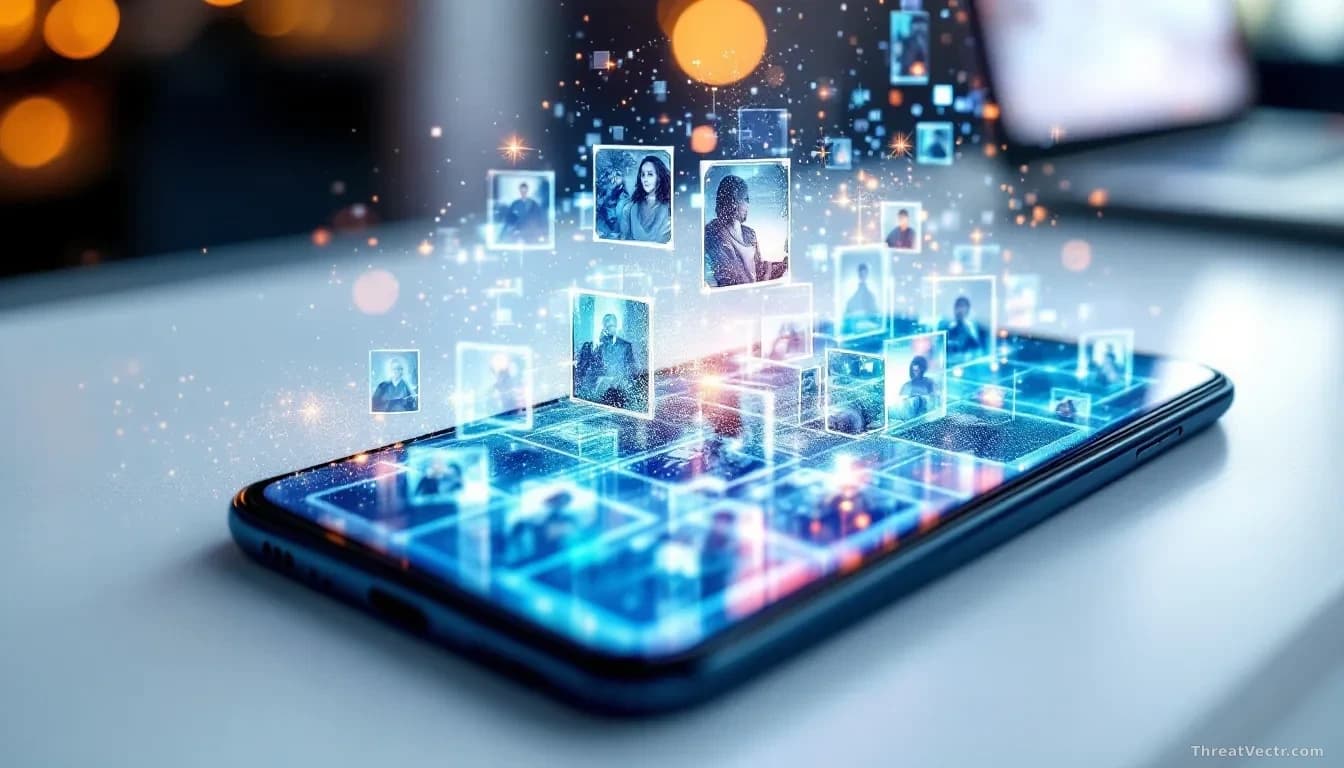
Meta has released a new tool called Muse that sits inside Instagram and lets people generate AI images using photos pulled from public accounts. You do not get a notification. You do not get a choice, as long as your account is set to public.
That is the core concern. Anyone can feed your profile pictures, holiday shots, or selfies into Muse and produce images of you that you never posed for and never approved.
Could this be used to create fake images of real people?
Yes, directly. Deepfakes, which are realistic-looking fake photos or videos produced by artificial intelligence, are already a documented harm. They have been used to embarrass, harass, and defraud real individuals. Muse hands that capability to ordinary Instagram users with no apparent guardrails described in Meta's announcement.
CBS News first flagged the tool's implications, with CNET AI reporter Katelyn Chedraoui highlighting how the opt-in model places the burden on users rather than the platform.
Meta has not published a detailed policy statement explaining what filters, if any, block Muse from producing harmful or sexualised images of real account holders. That gap matters enormously.
From a threat-intelligence perspective, this sits in a different category from a nation-state intrusion or a ransomware attack. There is no single criminal group tracked as responsible. The risk is distributed: it scales with the tool's user base, and the capability is now widely available rather than limited to well-resourced actors.
For ordinary people, the practical picture is straightforward. If your Instagram is public, your photos are already eligible for use in Muse. Setting your account to private is the single most direct step available right now. It will limit who can see and therefore who can feed your photos into the tool.
If you keep a public account, watch for unusual images of yourself appearing online. If you find AI-generated images of yourself used without consent, most major platforms have reporting mechanisms for synthetic media, and several countries are now moving legislation that specifically targets non-consensual deepfakes.
Parents should also check whether teenage children hold public accounts and talk to them about what this tool means in practical terms.