Matched, Manipulated, Blackmailed: How Sextortion Scams Target Young Men
Organised criminal networks are using dating apps and social media to trap young men into sharing intimate images, then demanding money. Two Australian survivors explain what happened and what they wish they had known.
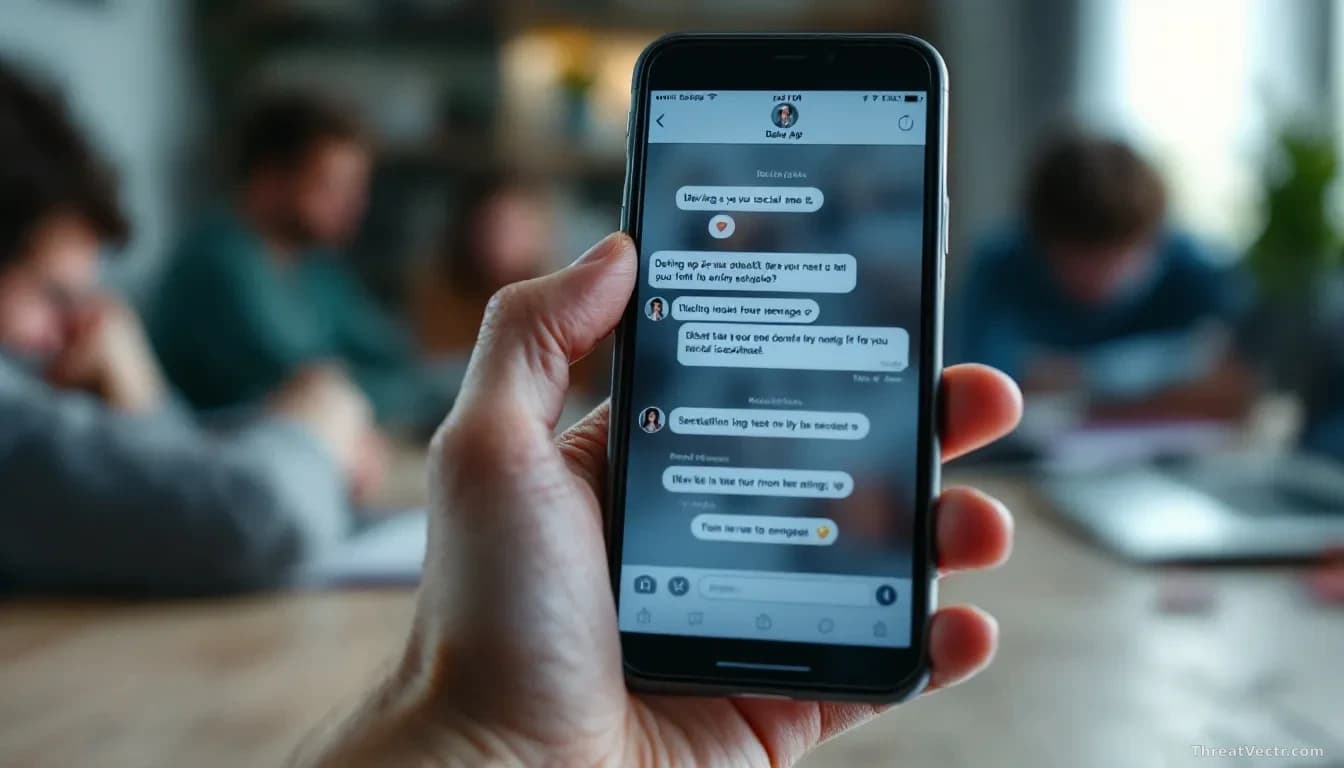
Key points
- Australia's online safety regulator, eSafety, received 2,206 sextortion complaints between July and December 2025, most from men aged 18 to 24.
- The Yahoo Boys, operating out of Nigeria, are among the organised networks identified behind these scams, alongside call centres in cities including Manila and Delhi.
- AI now lets criminals fabricate explicit images of victims who never sent anything at all.
- Both survivors in this story refused to pay and reported the crime; neither had their images released.
- Australian Federal Police warn that prosecuting offenders is difficult because most operate from overseas.
Jack matched with someone on Hinge who seemed genuinely interested. The conversation moved to Instagram within minutes, and within an hour he was being blackmailed.
The pattern is called sextortion, a form of blackmail where criminals use real or faked sexual images to extort money or compliance from a victim. It isn't niche.
How does the scam actually work?
Criminals build convincing fake profiles on dating apps and social media, establish quick rapport, then steer conversation toward intimate photos. Once a victim sends one, the threats arrive.
Jack described receiving a pre-written message almost immediately after sending an image. It included a screenshot of a group chat set up with all his Instagram contacts, ready to receive his photo the moment he refused to pay.
"They were not overly pushy, but kind of encouraging," he told ABC News Australia. "At the time it felt like this person was genuinely interested and patient."
The patience was scripted. The profile was almost certainly fake.
Mateo's experience shows how far the scam has evolved. He accepted a Snapchat friend request from someone who appeared to have 40 mutual contacts and a high activity score, signals that normally suggest a real account. Within seconds of accepting, he received threats alongside explicit images fabricated using AI to make it look as though he'd sent them himself. He'd never sent anything.
"My reputation, my relationships could be destroyed in a matter of seconds," he said.
Who is behind this, and can they be caught?
Prosecution is hard. Most offenders operate abroad.
ESafety Commissioner Julie Inman Grant identified two main sources: the Yahoo Boys, a network based in Nigeria, and criminal call centres running sextortion operations in the evenings in Manila and Delhi. Australian Federal Police commander Joanne Cameron confirmed that overseas locations make arrest and prosecution extremely difficult. We reported in July that the same blackmail scripts keep appearing across platforms and that most major tech companies still aren't deploying the detection tools that already exist.
Between July and December 2025, eSafety recorded 2,206 individual complaints in Australia alone. Most came from men aged 18 to 24, though Inman Grant flagged growing concern about boys as young as 14 and 15 being targeted.
AI is lowering the cost of entry for criminals. Fake personas are cheaper to build, and fabricated explicit images require no cooperation from the victim at all.
Should you worry if this happens to you?
Don't pay. Both Jack and Mateo initially considered it; both decided against it. Neither had images released.
Commander Cameron's advice: stop all contact immediately, screenshot the profile and any messages as evidence, report the account to the platform, then report to police.
Jack called his best friend while stalling the scammer, feeding details to police in real time. He made a deliberate decision not to feel ashamed, which he credits with taking power away from his blackmailer.
Mateo reported to police in 2023. His scammer wasn't charged, but the threats stopped once he disengaged.
If you or someone you know needs support, eSafety's website carries reporting tools and crisis contacts for victims of image-based abuse.