Instagram Creators Are Paying Ransoms to Scammers Filing Fake Copyright Claims
Fraudsters are abusing Instagram's copyright reporting system to shake down creators for hundreds of dollars, knowing Meta's slow appeals process gives victims little choice.
Key points
- Scammers filed bogus copyright complaints against Instagram accounts in 2026, then demanded payments of up to $900 (£668) to withdraw them.
- Meta does not verify the authenticity of a copyright complaint before acting on it, so repeated fake claims can get an account temporarily suspended.
- One creator with 1.5 million followers paid a scammer $50 in cryptocurrency, then was hit with fresh fake claims immediately afterward.
- Meta charges a £9.99 monthly fee for a verified tier that unlocks 24/7 live-chat support, currently the only fast route to help for targeted accounts.
- AI tools now let fraudsters run this scam at scale, making it harder for platforms to separate real copyright claims from fake ones.
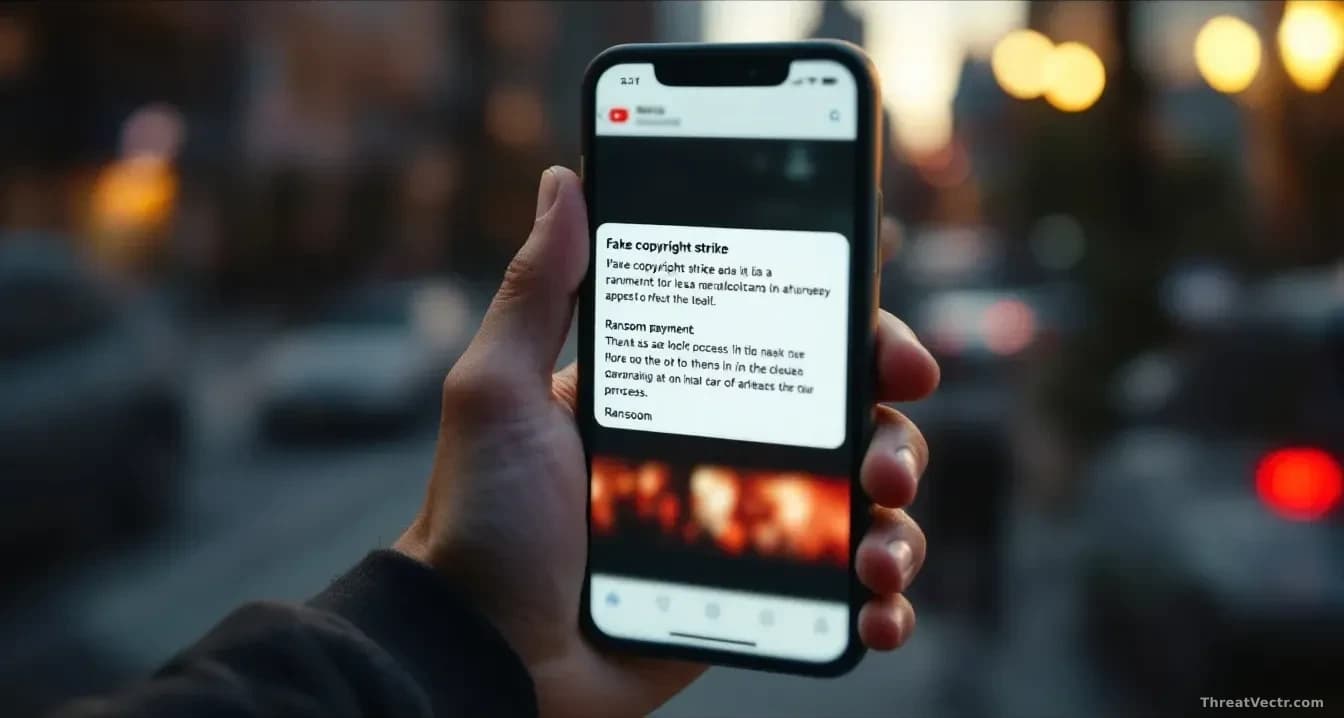
Scammers have found a reliable way to squeeze money out of Instagram creators: file a fake copyright claim, watch Meta suspend the account, then demand payment to make the problem go away.
The fraud works because Instagram's complaint system, which lets anyone report that their creative work has been used without permission, does not check whether the filer actually owns the content. File enough claims against one account and that account comes down. The scammer then contacts the creator, usually via Telegram, and names a price.
How did this scam catch people off guard?
Creators had little warning because Meta acts on complaints before checking whether they are real. Olly, the creator behind the Lost in Time History account and its 1.5 million followers, told BBC News he received dozens of "obviously fake" complaints in 2026 alone, often hitting multiple posts at once from the same email address. His account was demonetised, cutting off his ability to earn from well-performing posts and costing him brand contracts worth thousands.
After his account was suspended, he paid a scammer $50 in cryptocurrency as a last resort, deciding it was faster than waiting weeks for Meta's appeals process. Law enforcement agencies consistently advise victims not to pay extortion demands, because payment funds criminals and rarely ends the problem. Olly found that out immediately: fresh fake claims arrived the moment he paid.
Another affected creator, Abin Tom Sebastian of the Morbid Kuriosity account, told BBC News that Meta "forced you to pay for support to talk" even while claiming to support creators. He also lost brand contracts that moved on to other creators with no reassurance from Meta that it wouldn't happen again.
| Account | Followers | Demand | Outcome |
|---|---|---|---|
| Lost in Time History (Olly) | 1.5 million | $50 paid in crypto | Re-hit immediately after payment |
| Morbid Kuriosity (Sebastian) | Not disclosed | Not paid | Lost brand contracts |
| Unnamed third creator | Not disclosed | $900 demanded | Unknown |
Why is Meta struggling to stop this?
Andres Guadamuz, a reader in intellectual property law at the University of Sussex, told BBC News the system was built on the assumption that whoever files a copyright claim is legitimate. That assumption is now being exploited at volume. BBC News spoke to three people who filed claims against Instagram accounts without owning the underlying content; all three appear to be based in India or nearby countries. One confirmed asking for $900 to withdraw a strike, describing it as a service fee.
Guadamuz said AI has made the scam cheaper and faster. "It's a numbers game," he told BBC News. "Pretty much anyone can now deploy AI that is going to automate all of this in some way." Our earlier report from 18 August on holiday-photo bank fraud showed the same dynamic: AI lowering the cost of personalised social-media attacks to near zero.
Meta told BBC News it had restored affected content and added extra protections to the flagged accounts. A spokesperson said its systems are designed to stop this happening and that it fights deceptive behaviour targeting people and businesses.
What should creators do right now?
Don't pay. It marks you as a willing target and, as Olly's case shows, rarely stops further claims. Document every fake complaint, note the email address and any payment demands, and report to your national cybercrime unit.
If your account is suspended and speed matters, Meta's Verified subscription at £9.99 a month is currently the only direct route to live support. It's an imperfect fix sold by the platform that failed to catch the abuse in the first place, but right now it's the fastest option available.