Google rolls out selfie video sign-in for locked-out account holders
The new recovery option sits alongside email and phone number checks, and is aimed at people who cannot get back into their Google account any other way.
Key points
- Google announced on Thursday a selfie video recovery option for users locked out of their accounts.
- The feature adds to existing recovery paths that rely on a backup email address or phone number.
- It is designed for people who have lost access to those other recovery methods.
- Google has not yet published technical detail on how the video is matched or stored.
- The rollout follows a broader industry push toward biometric and passkey-based sign-in.
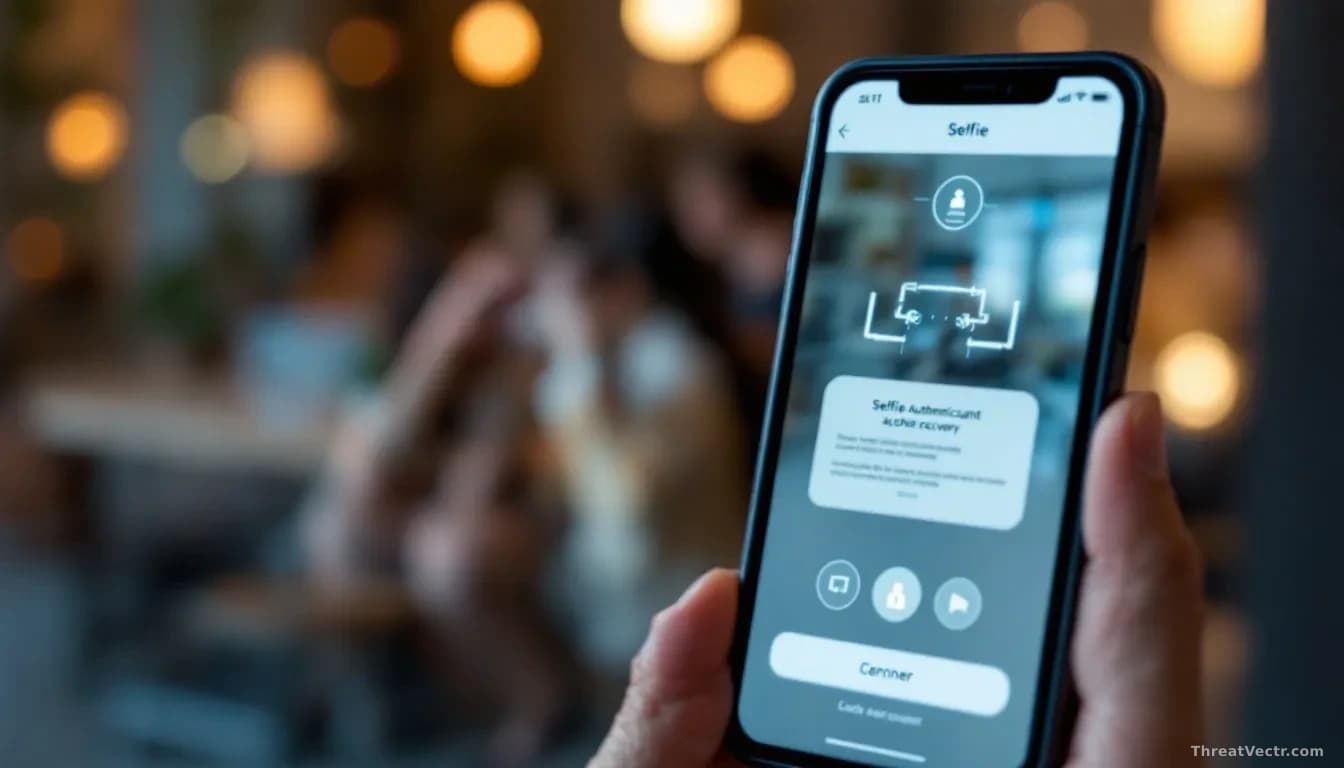
Google has added a new way to prove you are really you when you can't get into your account: record a short selfie video.
The company announced the option on Thursday, first reported by The Hacker News. It's meant as a fallback for people who've lost access to the usual recovery routes, a backup email address or a phone number that can receive a code.
If you're locked out and can't get a text or an email, you film a brief video of your face. Google then uses that video to help confirm your identity before letting you back in.
Why is Google doing this?
Account recovery is one of the weakest links in online security. If a criminal can trick a company's recovery process, they don't need your password at all.
Phone numbers get recycled. Old email accounts get abandoned. People lose access to both and then find themselves shut out of the Google account that holds years of photos and mail.
A selfie video gives Google another signal to check, one that's much harder to fake than answering a security question or receiving a code on a SIM card someone else now controls.
How does the selfie video actually work?
Google hasn't published deep technical detail yet. What the company has said is that the video sits alongside the existing recovery methods, not in place of them.
That means you'd still set up a recovery email or phone number when you can. The video is the option you reach for when everything else has failed.
Biometric checks like this aren't new. Banks and government identity apps have used short face videos, sometimes called liveness checks, for years. A liveness check looks for signs the face on camera belongs to a real person in front of the lens rather than a still image or a deepfake.
Should ordinary users be worried about the privacy side?
It's a fair question, and one Google will need to answer more fully. Face data is sensitive. How long the video is kept, whether it's compared against a stored reference, and who inside Google can access it all matter.
Until Google publishes those details, the safest read is this: the feature is optional, aimed at getting real owners back into real accounts. Our coverage of multi-factor authentication on 23 July is worth revisiting here: the same principle applies in that even a strong recovery fallback is only as good as the account hygiene around it.
What should you do now?
The practical steps haven't changed.
| Recovery method | What it is | Worth setting up? |
|---|---|---|
| Backup email | A second address Google can write to | Yes, keep it current |
| Recovery phone | A number that can receive a code | Yes, update if you switch SIM |
| Selfie video | New face-based fallback | Opt in if offered |
Keep your recovery email and phone number current. Turn on two-step verification, which asks for a second check after your password. If Google offers the selfie video option and you're comfortable with it, treat it as a spare key, not the front door.
Passwords are being pushed aside by passkeys and biometric checks. Recovery is finally catching up. The selfie option is a genuine help for people who've genuinely lost every other route in, but don't let it become a reason to let your backup email go stale.