Feds Pull the Plug on CFAKE and SOCFAKE in First TAKE IT DOWN Act Domain Grab
DOJ seizes two deepfake nude sites that drew tens of millions of visits a month, marking the first public test of the new federal statute.
Key points
- The Justice Department seized CFAKE.com and SOCFAKE.com on Friday under the TAKE IT DOWN Act, signed in May.
- Both sites hosted nonconsensual AI-generated nude imagery and video of women, including minors.
- No indictments have been unsealed; operator identification appears to be ongoing or sealed.
- Platforms with user-generated image surfaces need a synthetic nonconsensual intimate imagery intake path before the statute's platform takedown obligations take effect next spring.
- Domain seizures without payment-rail pressure rarely kill these operations permanently.
What did the Justice Department actually seize?
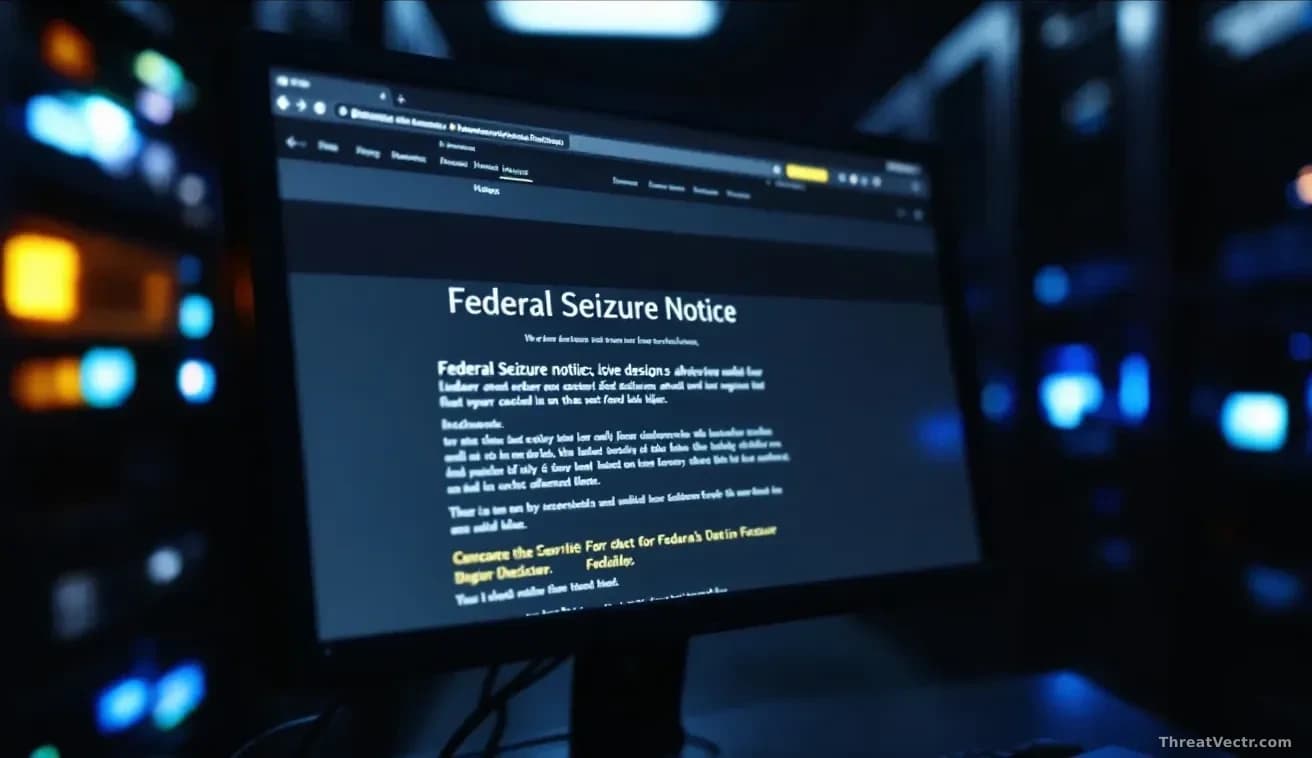
The DOJ announced Friday it had seized CFAKE.com and SOCFAKE.com, apparently the first publicly announced domain takedown under the TAKE IT DOWN Act. Both sites generated nonconsensual nude imagery of real women, including minors, using AI. Visitors now land on a federal seizure banner instead of a generator front end.
The FBI's Washington Field Office ran the operation. No indictments are public, which suggests the operator identification work is still in progress or the case is sealed pending arrests.
This is the third domain-seizure action we've reported since our 11 June coverage of the FBI's dismantling of thirteen sites tied to a Chinese influence operation, and the pattern is consistent: infrastructure gets yanked before charges are ready.
Should you worry that the sites just come back?
Probably, yes. This is a registrar-and-DNS play, not a server raid. The sites are almost certainly hosted offshore behind a CDN, and mirror domains can be live within days. That's the structural weakness here: domain seizures are a speed bump unless they're paired with payment-rail and ad-network pressure, which is where these operations actually die.
The underlying generation stack is trivial to redeploy. Open-weight diffusion models, a scraped dataset of a target's social media, and a modest GPU rental gets you back online. The economic moat for sites like these is SEO and brand recognition, both of which the seizure does dent, though not fatally on its own.
What does this mean for platform teams?
The TAKE IT DOWN Act criminalizes knowing publication of nonconsensual intimate imagery, including AI-generated content, and obligates covered platforms to remove it within a defined window once the platform provisions take effect next spring. Criminal provisions are already live, which is what gave DOJ the hook to move on domain registrars and hosting.
If your service has any user-generated image surface, your existing DMCA workflow won't cover this. DMCA assumes a copyright holder. This statute assumes a depicted person, and the verification model is different. Build a synthetic nonconsensual intimate imagery intake path now and document the service-level agreement before the platform obligations kick in, because the first enforcement actions will set precedent.
What to watch next
The more interesting question isn't whether the domains stay down. It's whether DOJ moves against the payment processors and ad networks that monetized this traffic. That's where deterrence actually lives, and it's the same question we raised in our 4 June reporting on the pig-butchering infrastructure sweep: hitting infrastructure is visible; hitting money is what changes the economics.