Fake Apps Are Hiding in Google Play's Beta Program to Dodge Public Reviews
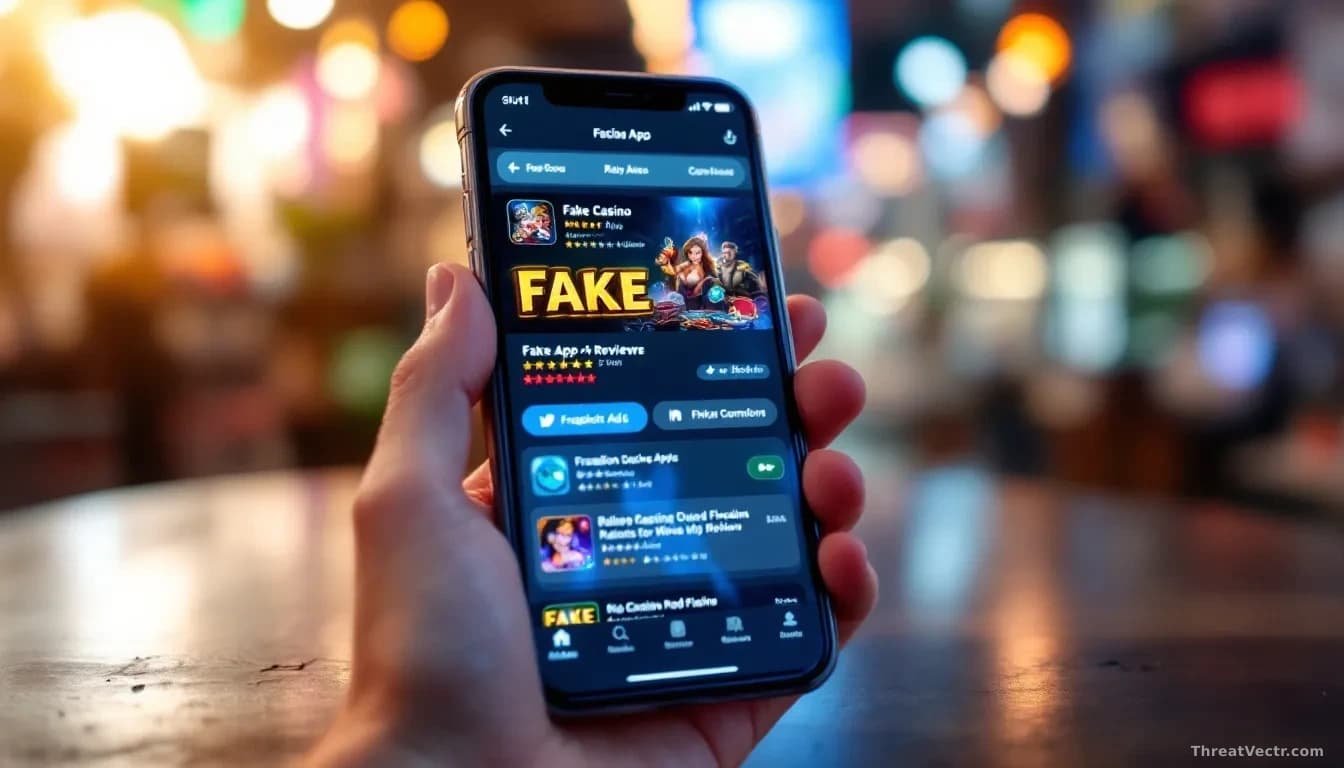
Scammers are uploading sham casino and gaming apps to Google Play's Early Access program, where there are no public ratings or warnings, then buying social media ads to pull in victims.
Key points
- Google Play's Early Access program carries no public ratings or reviews, giving deceptive apps cover from user scrutiny.
- Researchers at Bitdefender found fake apps promising PayPal cash, gift cards or cryptocurrency payouts that never arrive.
- Some listings have recorded thousands of installs, suggesting the scheme reaches a large number of ordinary users.
- Trademark abuse is part of the playbook: apps are uploaded under famous game names, indexed by Google Search, then quietly renamed.
- The apps carry no traditional malware but make money by bombarding users with a relentless stream of advertisements.
Google Play's Early Access program lets developers share unfinished apps with willing testers before a full public launch. There are no public ratings, no user reviews, and no mechanism for one tester to warn another. Scammers noticed that gap.
How does the trick work?
A fake app goes up on Early Access; ads on TikTok or Facebook promise big payouts: PayPal cash, gift cards, cryptocurrency. Users download and wait. The payout never comes.
What arrives instead is a wall of advertisements. Bitdefender, which published the findings, was direct: the ads are the product. Every install feeds a machine built to show adverts to as many people as possible.
"Many of these ads blatantly use deepfakes" (digitally manipulated videos) "of famous athletes or other public figures that tell everyone how you're getting 250 spins for free," Bitdefender noted. The firm also flagged a second category it calls "random user" adverts alongside the deepfake variety.
The scheme sits in uncomfortable legal territory. Bitdefender stops short of calling it clearly illegal, though the firm notes fraud comes to mind. There's no malware delivery, no data theft in the conventional sense, just users handing their hardware to developers who monetise the screen time.
What kinds of apps are involved?
Two names keep appearing: Chicken Road, a risk-and-reward mini-game, and Ice Fishing, presented as a live dealer casino product. Dozens of variants on those names exist across the store.
Trademark abuse adds another layer. A developer uploads an app named Grand Theft Auto V (Early Access). Google Search indexes it under that famous name. The developer then renames the app to something unrelated, but anyone searching for the real game can still land on the fake listing, which by then shows AI-generated screenshots with no resemblance to actual gameplay.
| App name used | Claimed hook | What it actually does |
|---|---|---|
| Chicken Road variants | Risk-and-reward mini-game | Serves continuous ads |
| Ice Fishing variants | Live dealer casino | Serves continuous ads |
| GTA V (Early Access) | Famous game brand | Renamed after indexing; serves ads |
Should people who downloaded these apps be worried?
These apps don't carry malware, software designed to damage a device or steal data. The risks are subtler: wasted time, drained battery, personal data passed to ad networks whose practices are opaque. No payment ever arrives.
Delete any app you downloaded after seeing a social media ad promising cash or free spins. Check payment accounts for unauthorised charges.
Social media platforms do pull misleading ads, but slowly enough that many users are caught before a bad ad disappears. The scammers repeat the cycle with a fresh listing. Bitdefender found some developers appearing multiple times across the store, pointing to an organised operation rather than isolated bad actors.
Google Play's ad-fraud problem predates this scheme. We first covered ad fraud on this site in a 30 July story, and the Early Access angle is a logical next step for anyone who has watched how quickly fraudsters adapt to gaps in platform policy. What to watch: whether Google responds by adding review functionality to Early Access, or simply continues removing individual listings after the damage is done.