Cyberattack Hits Nichirei, Japan's Frozen Food Giant, Putting Personal Data at Risk
A July 13 attack knocked out warehouses and shipping lines across Japan. Nichirei says personal information may have been stolen, and a regulator report has already been filed.
Key points
- Nichirei, one of Japan's largest frozen food companies, suffered a cyberattack on July 13, 2026, forcing it to shut down computer systems the same day.
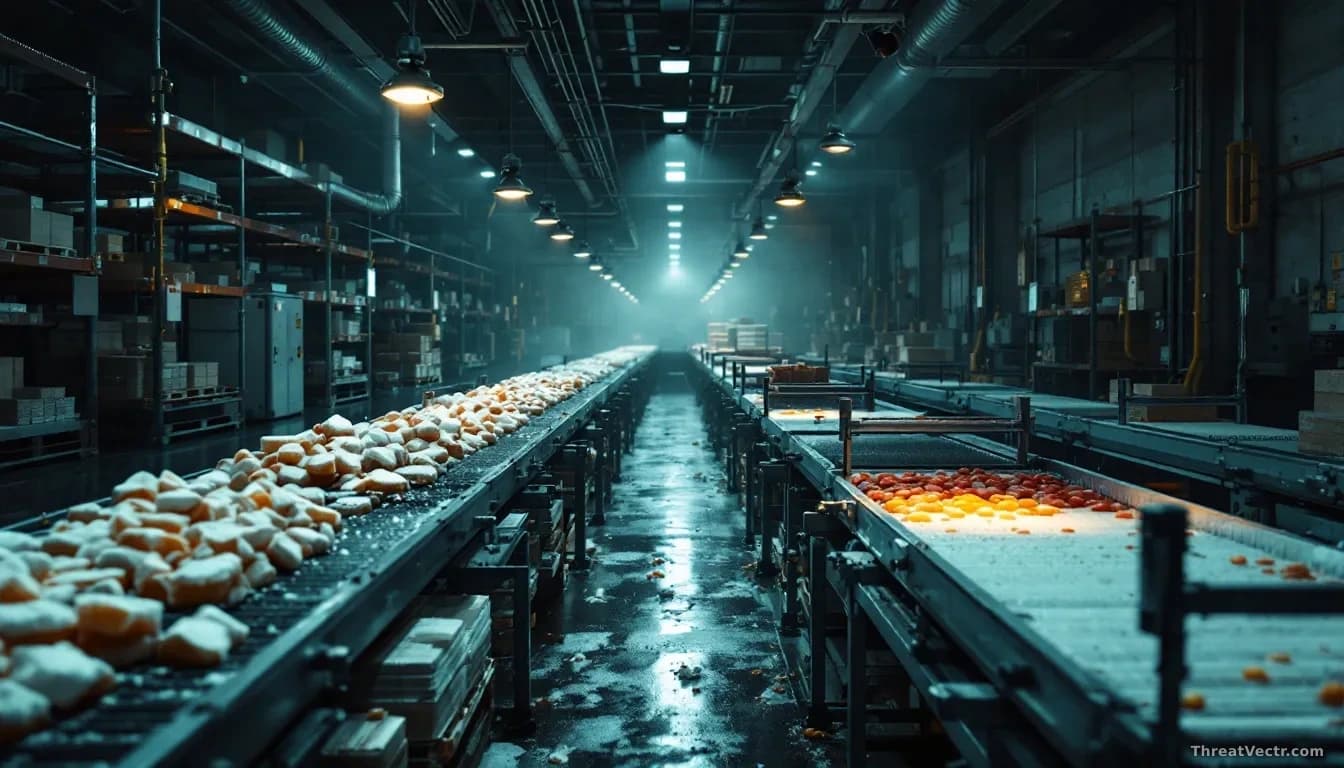
- The disruption hit refrigerated warehouses and food shipping operations run by Nichirei's 80 global subsidiaries.
- Nichirei confirmed that targeted servers stored personal information and filed an initial report with Japan's Personal Information Protection Commission on the possibility of a data leak.
- The company announced a gradual restart of operations beginning the following Friday, with no date given for full recovery.
- Nichirei is withholding details of the attack type, so it's not yet known whether a ransomware group, criminals who lock a company's files and demand payment, was responsible.
Nichirei is the kind of company most people outside Japan have never heard of, but whose products quietly fill freezer aisles and restaurant kitchens. One attack on a Thursday afternoon and the cold chain, the unbroken series of refrigerated storage and transport that keeps frozen food safe, started to crack.
On July 13, criminals broke into Nichirei's servers. The company pulled the plug on its own systems almost immediately to contain the damage. That stopped the attack from spreading further, but it also stopped warehouses from processing stock and halted shipping for Nichirei Foods. Retailers, restaurant chains, and delivery services all felt it.
Could customers' personal details have been stolen?
Yes. Nichirei confirmed that some of the systems hit by the attackers held personal information. The company has already filed a preliminary report with Japan's Personal Information Protection Commission, the government body that oversees how businesses handle people's data, flagging the potential for a leak. That report doesn't confirm a leak happened; it's a legal requirement to notify the regulator early when there's a credible risk.
Japan's having a rough stretch. We reported on 9 July that 12.2 million KDDI customers had personal data exposed, and four days later Nihon Kotsu's dispatch systems went dark after a malware hit. Nichirei makes it three significant Japanese incidents in under two weeks.
If you've ever used a service that Nichirei handles logistics for, watch your inbox for a direct notification. Change any password reused across accounts and watch for suspicious emails purporting to come from the company.
The failure mode here is familiar. A company running refrigerated logistics across 80 subsidiaries carries a huge IT footprint, and each subsidiary is a potential entry point. Segmenting those networks so a breach in one system can't reach servers holding customer data is genuinely hard. It's also the work that gets deprioritised until a postmortem forces the conversation.
Nichirei is saying little about how attackers got in, a reasonable precaution during a live investigation. SecurityWeek first reported the announcement. Whether this is a ransomware group or a data-extortion crew, criminals who steal files and threaten to publish them rather than encrypt them, isn't yet known.
Restarting a cold-chain operation isn't like rebooting a website. Food safety depends on trusting temperature logs and inventory counts before a single pallet moves. The postmortem will say what they always say: incident response plans need a freezer-safe mode from day one.