Australia's Corporate Watchdog Warns Deepfake Scams Stole $7.4 Million, With the Prime Minister as the Most-Used Face
ASIC says criminals are using AI-generated fake videos of Anthony Albanese and other public figures to trick Australians into bogus investment schemes, with losses topping $7.4 million.
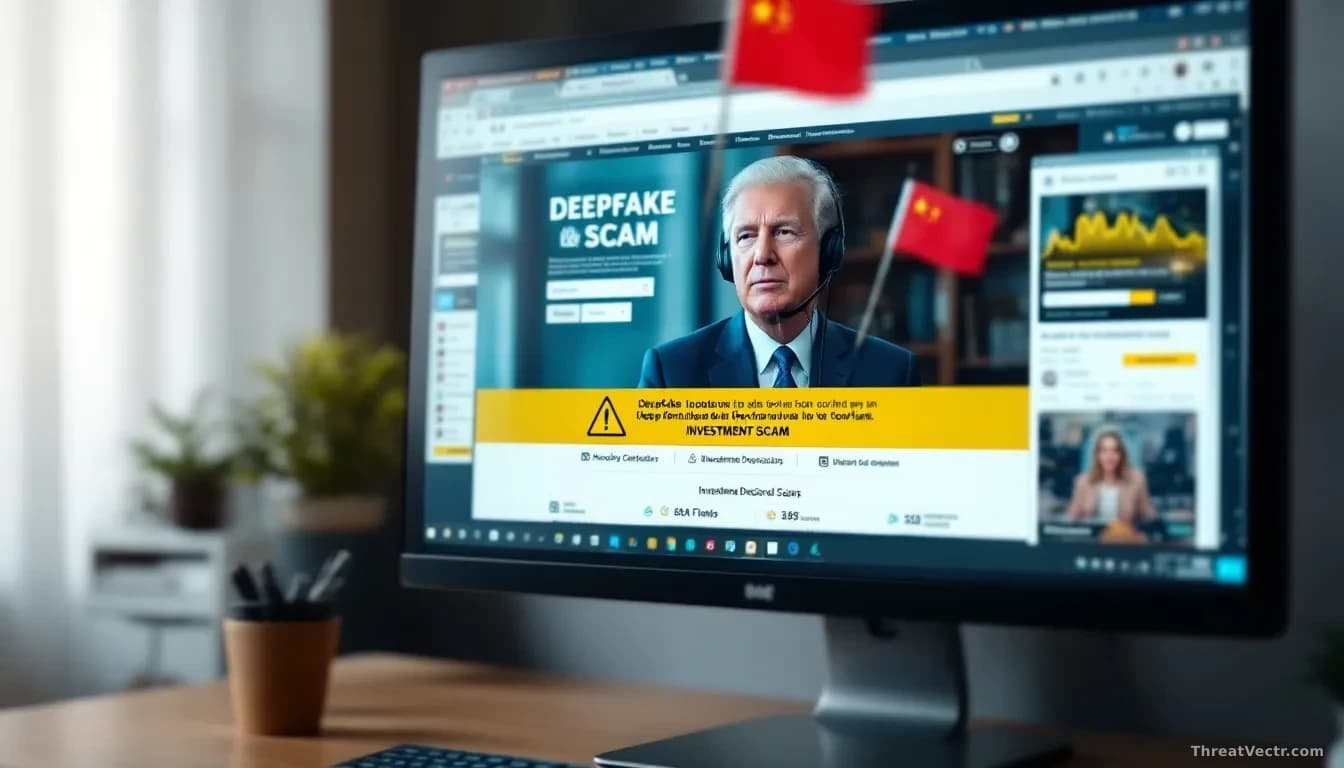
Key points
- Australia's corporate regulator, ASIC, has warned of a steep rise in deepfake investment scams targeting ordinary Australians.
- Criminals have stolen at least $7.4 million through these schemes, according to ASIC's figures.
- Prime Minister Anthony Albanese is the most commonly copied public figure used in the fake videos.
- The scams use AI-generated video: software that creates realistic but entirely fabricated footage of real people saying things they never said.
- ASIC has not proposed specific disclosure rules for platforms hosting this content, but the warning signals growing regulatory attention.
Australians lost $7.4 million to investment scams built around deepfakes, AI-generated videos that paste a real person's face and voice onto fabricated footage, making it look as though they're endorsing something they know nothing about. The Australian Securities and Investments Commission issued the warning after identifying a sharp increase in this type of fraud.
Prime Minister Anthony Albanese is the figure criminals use most often. His likeness is cloned into fake video clips circulating on social media, dressed up to look like news segments or interview excerpts. The Guardian Australia first reported ASIC's warning.
How does the scam actually work?
A person sees what looks like a news clip of a well-known figure endorsing an investment platform. The video is entirely fake. Clicking through takes the victim to a website asking for a deposit, sometimes a few hundred dollars to start. Once money is transferred, the platform either vanishes or keeps requesting more funds under the pretence that a larger deposit is needed to release returns. Victims rarely recover anything.
What should ordinary people watch for?
If a video shows a politician or news presenter urging you to invest money through a website, treat it as suspicious. Legitimate investment opportunities aren't announced through social media clips.
Four steps worth taking:
- Search the exact name of the investment platform alongside the word "scam" before transferring any money.
- Check whether the platform holds a current Australian Financial Services Licence on ASIC's public register at moneysmart.gov.au.
- Report suspicious videos to the social media platform and to ASIC's Scamwatch.
- Tell family members, particularly older relatives, that this kind of fake video exists and is convincing.
The regulatory picture is still forming. ASIC has enforcement powers over investment fraud under the Corporations Act, but no rule yet requires social media platforms to detect or remove deepfake financial promotions before they reach users. The watchdog's public warning is a consumer-alert measure, not a formal enforcement action or a proposed rulemaking.
That may change. We covered the EU's push for mandatory AI-content labelling and a dedicated enforcement unit in our 31 July story on the Brussels deepfake framework, and ASIC has signalled it's watching how those rules bed in. Worth tracking: whether Australia's government moves from consumer warnings toward platform obligations, and how quickly.