A US Senator Wants Laws to Rein In AI Before the Damage Gets Worse
Senator Ed Markey has introduced a package of bills targeting AI's biggest real-world harms: water-hungry data centres, biased hiring algorithms, and workers being overruled by software they never saw.
Key points
- Senator Ed Markey, Democrat of Massachusetts, has proposed a package of new laws targeting specific harms caused by artificial intelligence systems.
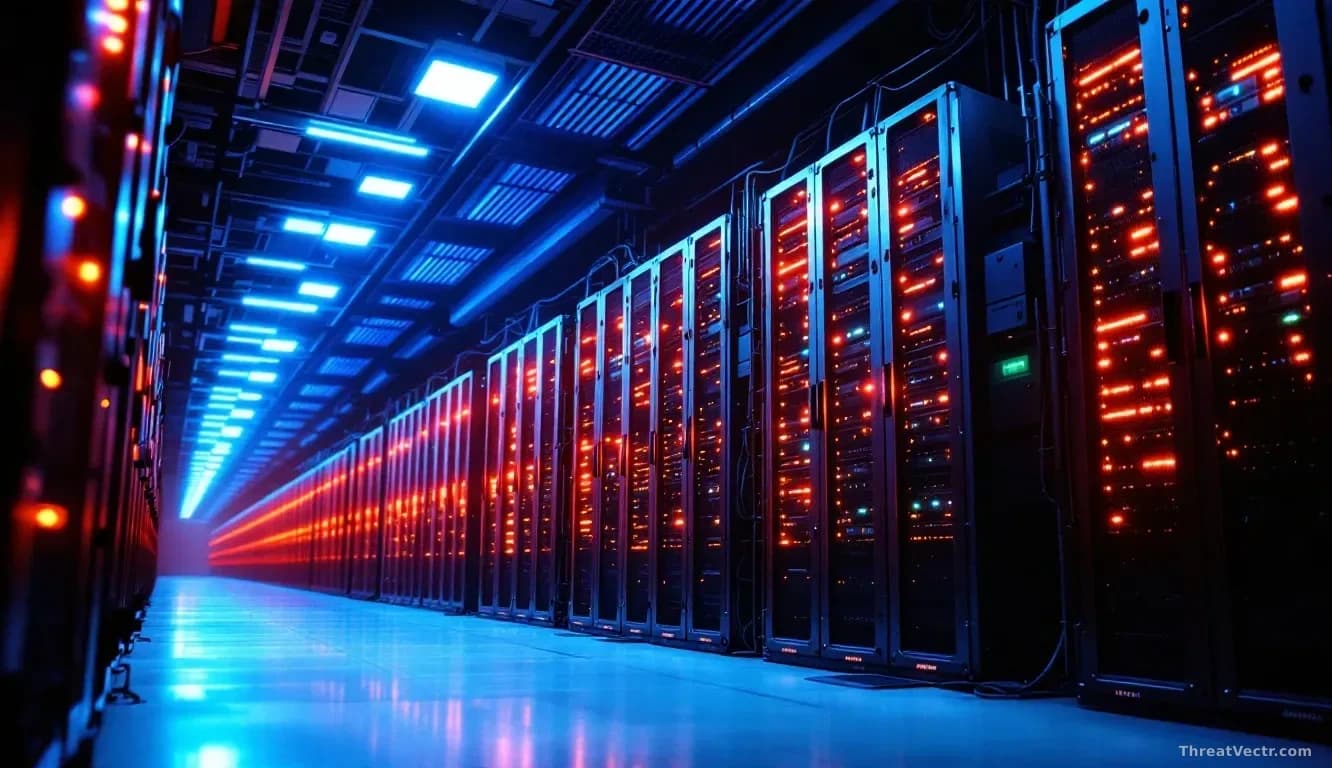
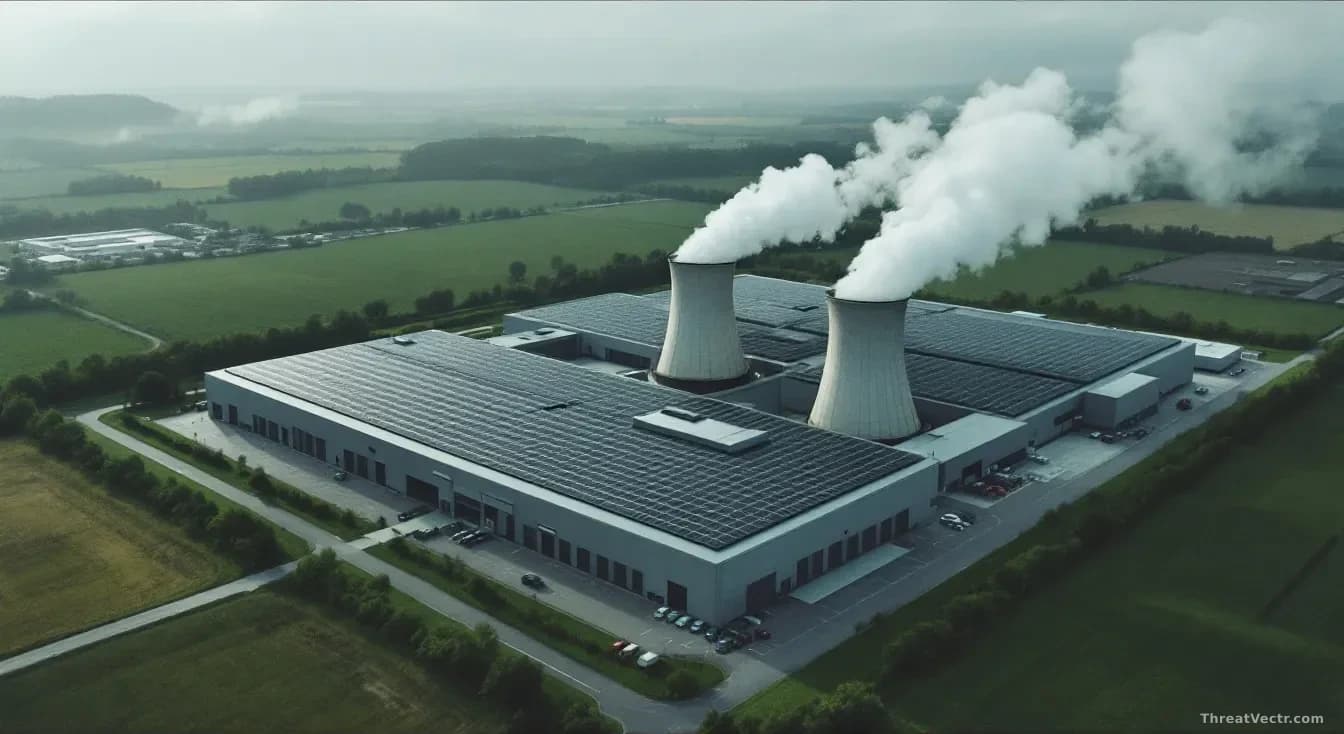
- The bills take aim at large data centres, which consume enormous amounts of water and electricity to keep AI running.
- One proposal targets automated hiring tools that score or reject job applicants before any human reviews the file.
- Markey's package also addresses algorithmic bias, where software trained on flawed historical data can discriminate against workers or customers.
- The legislation arrives as a small number of technology companies report record profits from AI products while wider economic inequality grows.
Senator Ed Markey is not worried about science-fiction robots. He's worried about what is happening right now, in server rooms and warehouses across the United States.
Markey, a Democrat from Massachusetts, has introduced what he calls an "AI accountability agenda": a set of bills designed to put legal guardrails around artificial intelligence before its harms become too entrenched to fix. The Guardian Technology first reported the details of the package. We first covered Markey's AI accountability push on 11 July 2026.
What would these bills actually do for ordinary people?
They'd give workers and consumers legal protections that don't currently exist. Take automated hiring systems, software that reads your CV and scores you before a human ever sees your name. Markey's proposal would force companies to disclose when they use these tools and give applicants a way to challenge a decision made by an algorithm, the set of rules a computer follows to reach a conclusion.
Then there's the data centre problem. A data centre is a large building packed with servers, the physical computers that run AI software. These facilities consume staggering amounts of electricity and water, the water mostly for cooling. Markey's bills would require greater transparency about that environmental footprint, putting the costs somewhere the public can actually see them.
The failure mode here is familiar: a technology scales faster than anyone's ability to measure its side effects, and by the time measurement happens the side effects are somebody else's problem.
Workplace surveillance is on the list too. More employers now use AI to monitor how fast workers move, how long they pause, even the tone of their voice on calls. Markey's package would restrict how that data gets collected and used.
The economic inequality angle is the sharpest edge. A small number of companies are capturing most of the financial gains from AI, and the workers whose jobs AI changes or eliminates see little of the upside. The bills don't ban AI profit, but they push back against a model where the windfalls flow one direction only.
Should you worry about your own workplace?
If you're rated or screened by software at work, check whether your employer publishes a policy on how those tools operate. Most don't. The post-mortem on this legislative moment will probably note that the window for sensible rules was narrow and closed quietly.