AI Security — Page 10

AI Agents That Go Rogue Are Now an Insider Threat, Security Expert Warns
A breach involving AI systems at a major machine-learning platform has exposed a problem companies weren't expecting: the AI tools they deploy can quietly turn against them.

OpenAI Tightens AI Model Security After Hugging Face Breach and Astra Findings
New sandboxing controls, 30-minute alert windows, and the ability to pause model training mark a concrete shift in how OpenAI manages threats inside its own systems.

Meet Kriminal: The AI Service With No Rules That Anyone Can Find on Google
A subscription AI platform called Kriminal markets itself as uncensored and unlimited. Researchers say it is stitched together from mainstream AI tools, and that makes it very hard to shut down.

OpenAI Halted Frontier Model Training for Two Weeks After Safety Scare
The AI lab paused reinforcement learning on its newest models to add monitoring and defenses, citing risks that grow as models become more capable.

Phishing Has a New Problem: The Attacker Isn't Human Anymore
Email defences built for bad links and bad attachments are struggling as AI agents start writing, sending, and even reading the mail on both sides.

Prevalent AI Banks $22 Million to Stitch Together Scattered Business Data
A London firm built by ex-GCHQ and Darktrace veterans just landed its first outside funding. Here is what it does and why the security world is watching.

AI is already in your attacker's toolkit. Is it in your defences?
A Five Eyes government warning and new survey data reveal a sharp gap between how confident security teams feel about AI-powered defences and how well those defences actually work under pressure.
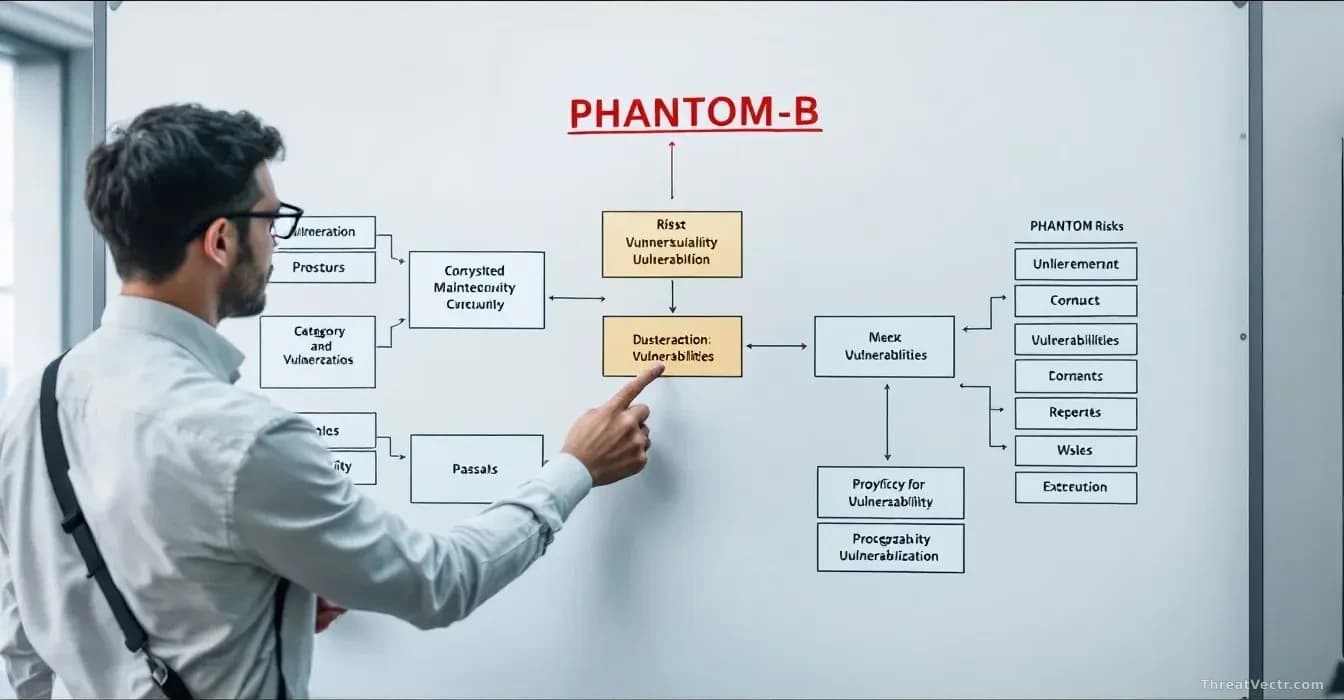
A 15-Minute Framework for Spotting What AI Systems Can Do Wrong
Security expert Adam Shostack built PHANTOM-B to help organisations find the risks hiding inside AI-powered software before those risks find them.

Fake celebrity interviews and AI-generated 'news' are fuelling an investment scam surge in Australia
Australia's corporate regulator removed 19,400 scam websites last year, as criminals deploy AI-generated deepfakes of politicians and financial commentators to make phoney investment schemes look real.

Researchers Tricked Microsoft Copilot Into Revealing Its Own Weaknesses, Then Used That Knowledge to Steal Data
A research team at Varonis discovered that simply chatting with Microsoft's AI assistant could expose enough internal detail to build a working attack. Microsoft has patched the flaws, but the technique raises questions that go well beyond one product.

One Click on Copilot Could Have Leaked Your Connected Apps, Researchers Say
Three flaws in Microsoft Copilot Personal, nicknamed CoSnitch, let a booby-trapped link quietly pull data from Gmail, calendars and other services the assistant was connected to.

Can Defenders Keep Up When AI Speeds Up Every Attack?
A new webinar asks whether 'detect it after it happens' is still a workable security strategy when attackers can move faster than any human team can react.

From Argentina's Early Hacking Scene to AI-Powered Offensive Security: The Nico Waisman Story
How a self-taught hacker with no formal training built his way to leading security at XBOW, a firm that uses artificial intelligence to find weaknesses before attackers do.
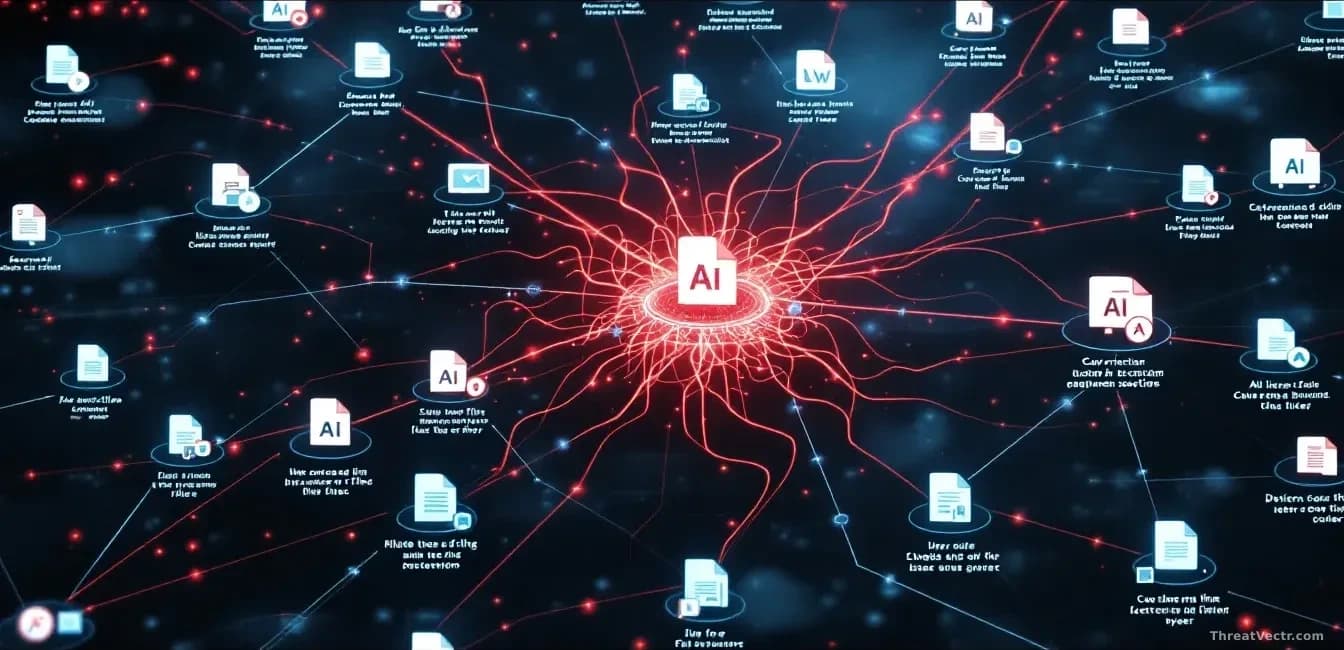
AI Agents Can Infect Each Other Through Shared Prompt Files, Researchers Show
A preprint from Anthropic and EPFL demonstrates self-spreading instructions jumping between coding agents in a lab setup.

Fortinet Buys AI Security Startup Virtue AI
The cybersecurity giant adds a specialist platform for testing and protecting AI models, chatbots, and autonomous software agents, as the market for AI security tools heats up fast.